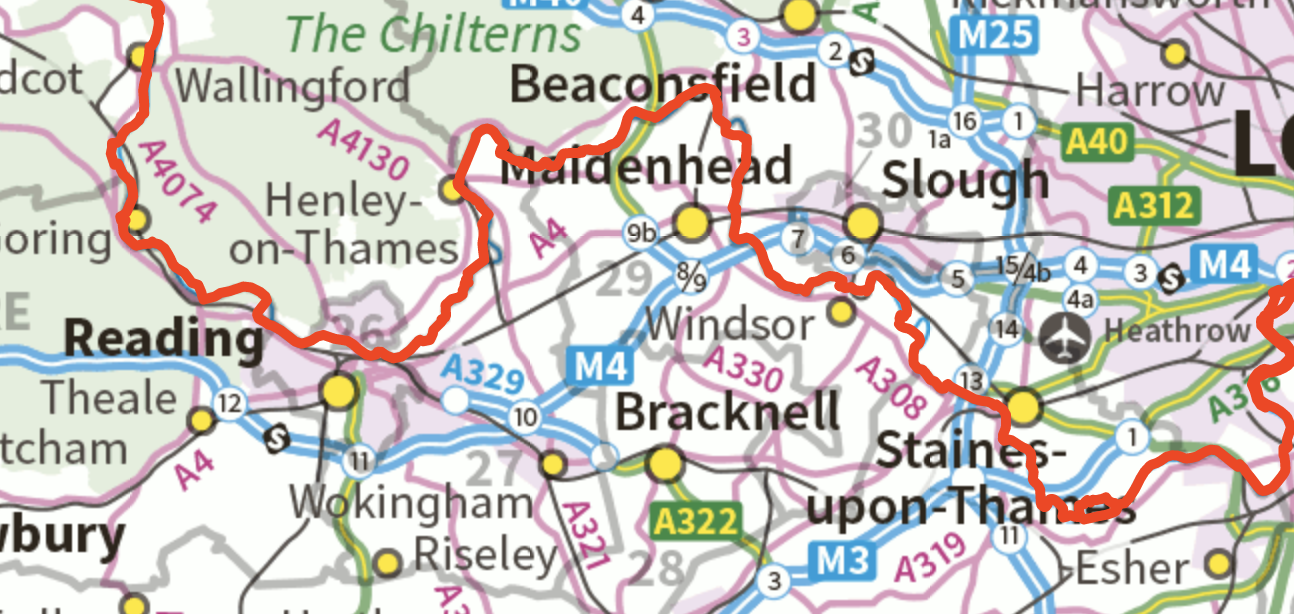
Here’s the plan. Hampton Court to Reading; just over 50 miles along the Thames Path heading west.
Never has the need to understand pain been greater. Undoubtedly we are in times of great suffering for many reasons — mainly driven by our choices as humans on this planet. Whilst suffering is undoubtedly part of the lived experience for all of us, we can do so much better at being there for each other, regardless of background. At the end of the day, we all have the the same needs and desire for a fulfilling life.
Understand Pain plays its part by bringing practical knowledge into society so that people can improve their lives. My preference is face to face at the workshops: UP for people suffering persistent pain, for GPs and for healthcare professionals. The latter includes student physiotherapists who are the next generation and can make a huge difference. Last week I was enormously enthused by a sizeable group of MSc and BSc physio students at Leeds Beckett University where I ran an impromptu session (read here); a kind of surprise gig….
My hope and dream is much more of this as the story gathers momentum — so please share far and wide!
Look out for the next blog and the pics of #upandrun 10 on the day >> @painphysio on Twitter and @paincoach on Insta.
On Friday night Strava told me that I had reached 3000k for the year so far. Undoubtedly, the cause Understand Pain (UP) has been a massive motivator together with a sense of purpose, echoing the thoughts of Dean Karnazes: ‘…ultrarunning is a noble pursuit and has brought purpose to many people’s lives, as it has mine.’
However, there’s a long way to go. Society needs to develop its understanding of pain: what it is really and why it can persist. That’s one of the main purposes of UP.
My intention is to continue with the ultrarunning to raise awareness of the problem of pain. There is no end goal; just to keep going as in the style of shuffling mile after mile. Along the way, I hope to gain partners who want to share the story of making a positive impact in society (do get in touch here if you are interested). For example, UP recently has teamed up with a large healthcare company to work on a really exciting Pain Coaching project — more on this soon.
But, none of this would have been possible without the support and encouragement of a number of people. Therefore, I dedicate this blog and the #upandrun 3000 to them with massive gratitude. Some I know well and some I know of; all have helped in their own unique ways and many won’t have realised!
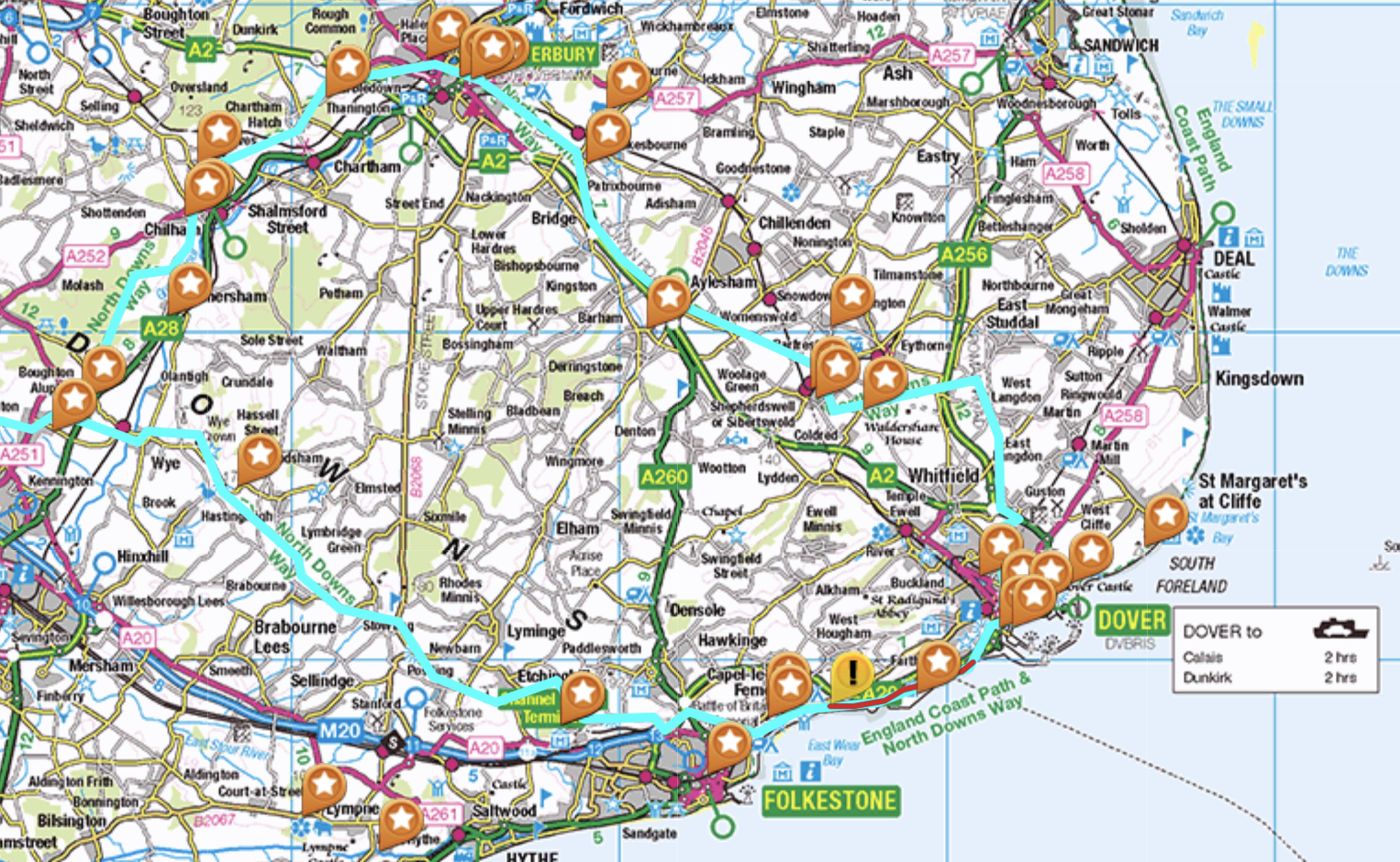
The North Wales Coastal Path and Oxford to Richmond are on hold for now. A few logistical things to sort out. Meanwhile, the Kent loop of the North Downs way is calling.
Setting off from Wey, not so far from Ashford, the route heads down to Folkestone before following the coast to Dover, taking in the white cliffs. Turning inland, the trail winds its way up to Canterbury. From there it heads south west, meeting the Way back towards Farnham (the West start point). At the split, I will continue back round towards Folkestone for a few kilometres to the start point, Wey. I calculate about 90km in the day.
Keep an eye out for #upandrun on Twitter and Instagram and FB — RT and share the story and the messages: we can help people improve their lives, no matter the start point.
Richmond Stace co-founder of UP running for #upandrun
It is time to think about the October #upandrun ultramarathon now that I have recovered from the Snowdonia adventure and am back to running around locally.
There are several choices, both of which are solos. That is when the runner heads off on his or her own, unsupported, making their way from A to B.
The one I shall go for is Richmond to Oxford along the Thames Path. Previously I ran from Hampton Court to the Thames Barrier, so this will be going the other way; out of town so to speak.
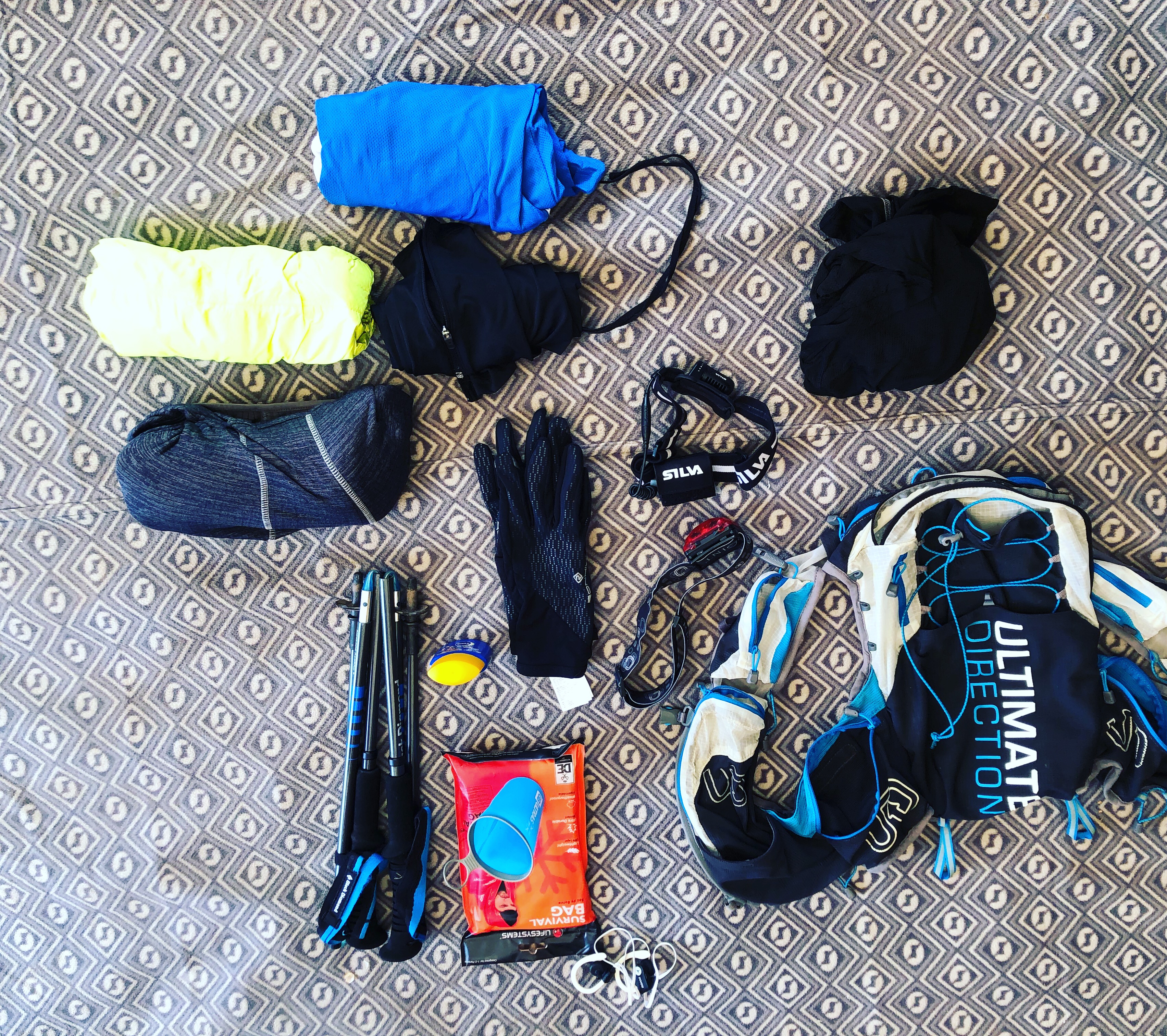
The route is 100 miles. I will chunk this into two days, finding somewhere to stop overnight. Any suggestions are welcome. Preferably somewhere quiet, with nourishing food where I can dry out and put my feet up for a few hours before setting off again. All I will carry is what I can fit in my backpack.
So that’s the plan. I will confirm the dates soon.
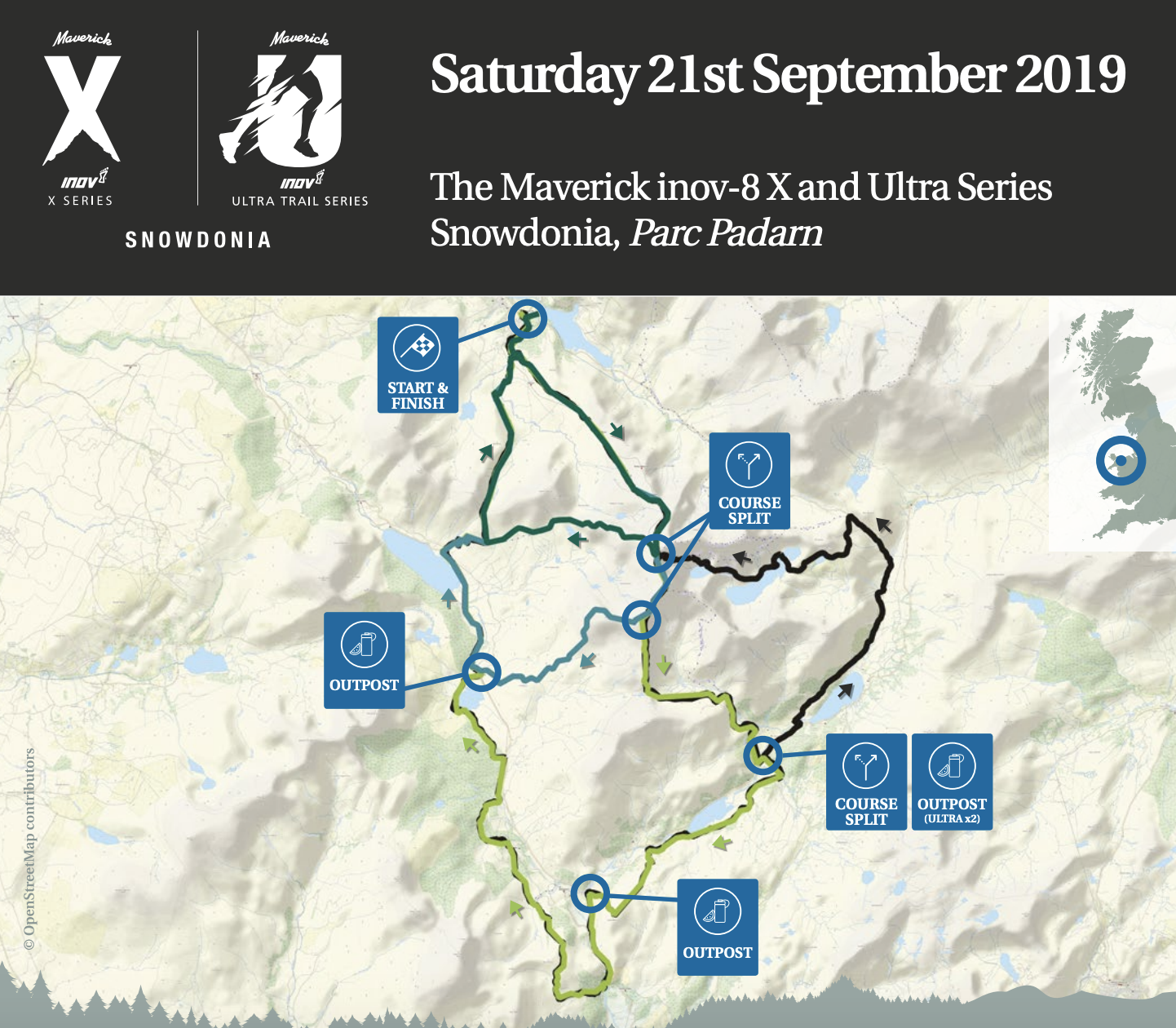
For the 7th ultra I am hitting the hills, or rather mounting the mountains….
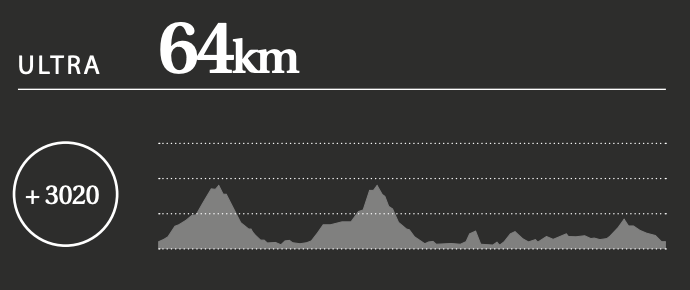
Most of the races so far have included some steep hills. Over the South Downs near Ditchling Beacon on my way to Brighton from London, traversing the Seven Sisters from Eastbourne towards Brighton and along The Ridgeway on Race to the Stones, have all challenged my thighs. Running and walking uphill is one thing, coming down is another. There’s an art to the latter. A balance between controlling one’s descent so you don’t fall and saving your quads! The Maverick inov-8 ultra has an elevation of 3020 over 60-odd k.
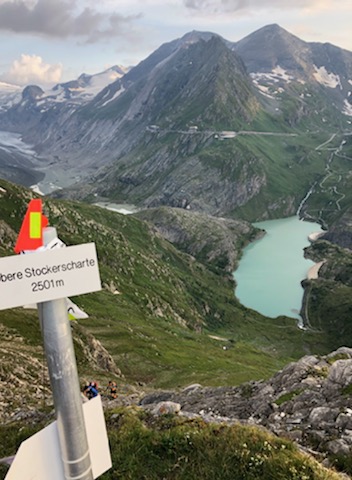
Traditionally I am not great with heights. So this ultra presents an additional element and feature for me to cope with whilst climbing, descending, walking trotting, hopping, shuffling and running. Don’t look down! Having said that, I have been on mountains plenty of times before and usually enjoyed the views, fresh air and freedom.
Recently I was thinking that #upandrun would continue for 12 months, #12in12. But then I thought about afterwards and what I would do. I can’t see that I will stop, so this will continue indefinitely with a blend of races and solos that accompany the monthly UP workshops (next one on 18th Sept >> tickets here).
You can support Understand Pain here, helping us to run the workshops each month so that they are free for those most in need, to increase the number of workshops and the reach. Meanwhile, I’ll keep running to raise awareness and bring the tools to people so that they can improve their lives.
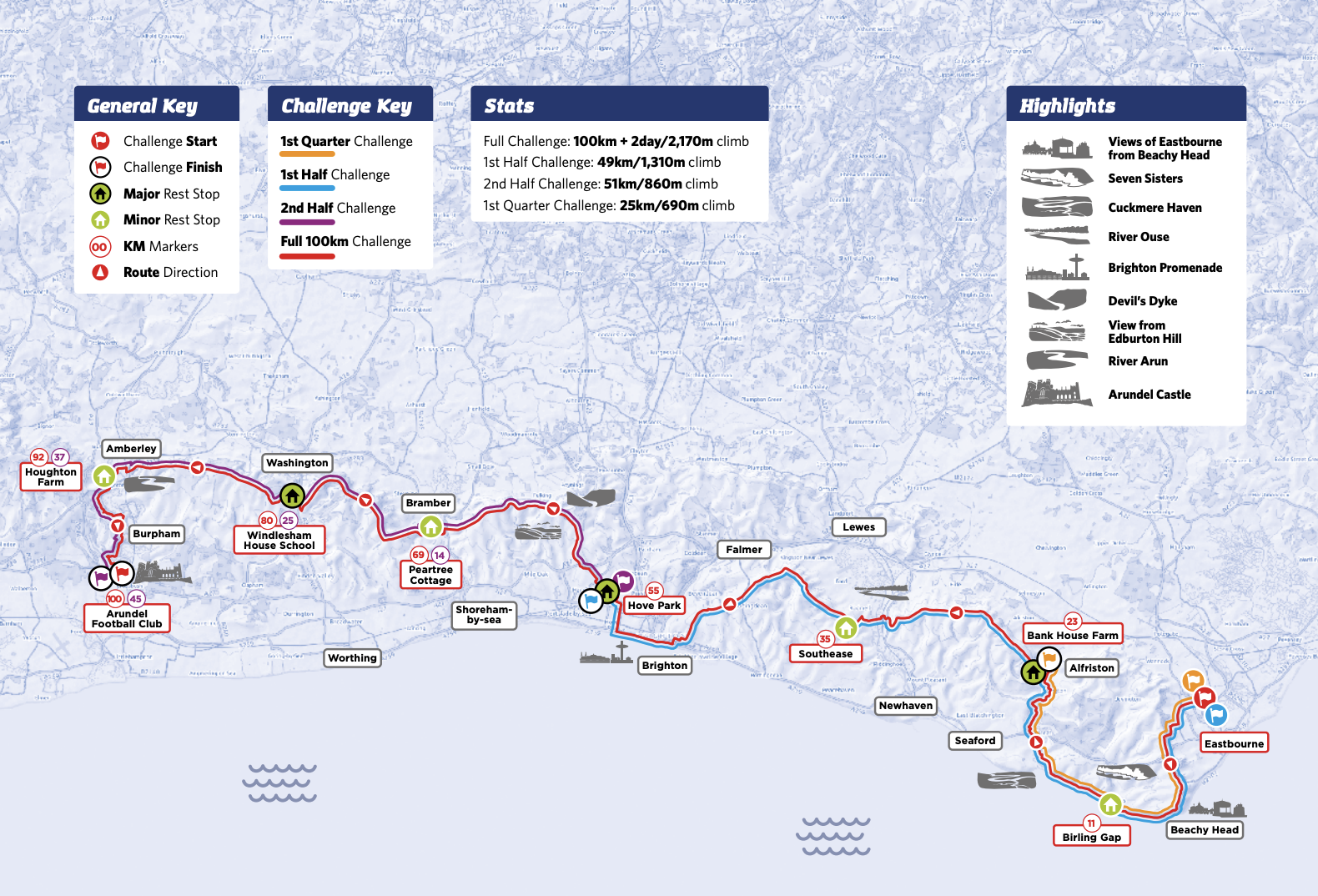
The next in the #12in12 ultra series for #upandrun is the South Coast Challenge 100km, from Eastbourne to Arundel.
The course follows an undulating route across the South Coast taking in Beachy Head, Brighton and the South Downs along the way.
You can follow the run on the day on Twitter with the usual hashtag #upandrun & @painphysio and on Instagram. I will be posting photos and videos on the way round.
And as ever, the purpose is to raise awareness of the problem of pain; the No1 global health burden.
#upandrun is an Understand Pain project raising awareness of the problem of pain — the No1 global health burden. We are working to reduce the enormous suffering caused by chronic pain that affects millions and costs billions.
As the UP story gathers momentum, in particular the #upandrun project (ultrarunning, marathon running and the UP education programme), we are delighted to welcome two new UP ambassadors: Chris and Jeff. Both will be running for #upandrun so keep an eye out for blogs, pictures and always the hashtag!
If you see #upandrun hashtag, give us a shout out! Take a pic and post it on Twitter or Instagram.
Chronic pain affects so many people for so many reasons. The measure of our success will be how many people we can inspire to move on to live their best lives.
This week look out for…
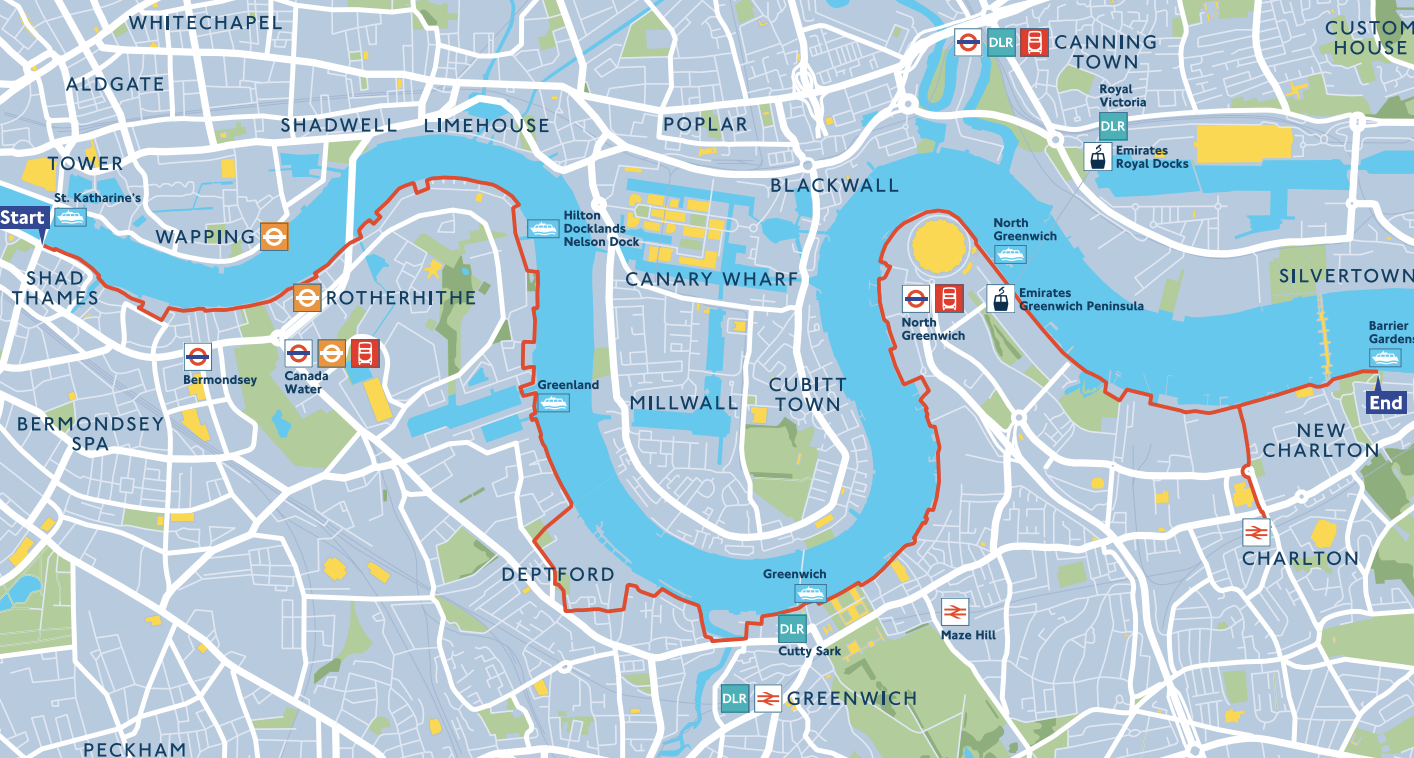
Richmond running along the Thames Path tomorrow (Thursday) from Hampton Court to the Thames Barrier
Next week look out for…
The UP talk and workshop on Weds 3rd July at 2pm at The Groves Medical Centre. Get your place here >> tickets
…that 75% would NOT stop running, even if it was found to be bad for you. Those who would stop (25%) ‘..were older, more likely to be married, had more children, were running less, were more health oriented, were less achievement oriented, and had less psychological motivations for running.’
One of the most fielded questions is why? Why do you do it? Last weekend I ran for a couple of hours to drive my wife home. Yesterday I ran for a few hours with an old friend (old in that we have known each other for almost 40 years, not that he is old…) to a BBQ. We arrived sweaty but not smelly. No-one wanted to hug us. You just fit it in, the mileage that is. Early starts, a mode of transport, when home alone etc etc.
Reading some of the writings of the great ultra runners, all will give their reasons. They are personal and varied. Some of my reasons include pursuing a purpose (#upandrun to ease suffering and improve lives affected by chronic pain), wanting to know how far I can go, pushing beyond the pain barrier, exploring consciousness, feeling fit and well (despite consistent aches and pains from the running — paradox?), seeing places, being alone, meeting people, being part of something a bit mad, to impress my wife :), and more. This is in no particular order, although it is often my purpose that keeps me going.
This coming Thursday I am running from Hampton Court to the Thames Barrier along the Thames Path before doing my afternoon clinic: an ultra before work. An ultra is anything beyond a marathon (26.2 miles). This is part of the prep for Race to the Stones on July 13th, which is 100k.
Last section up to the Thames Barrier
I’ll be setting off early, so if you are out on a run, walk or commute along the river and you see me, do give me a shout, tweet a pic or on Instagram using the #upandrun hashtag.
The next Understand Pain Talk and workshop is on July 3rd >> read here
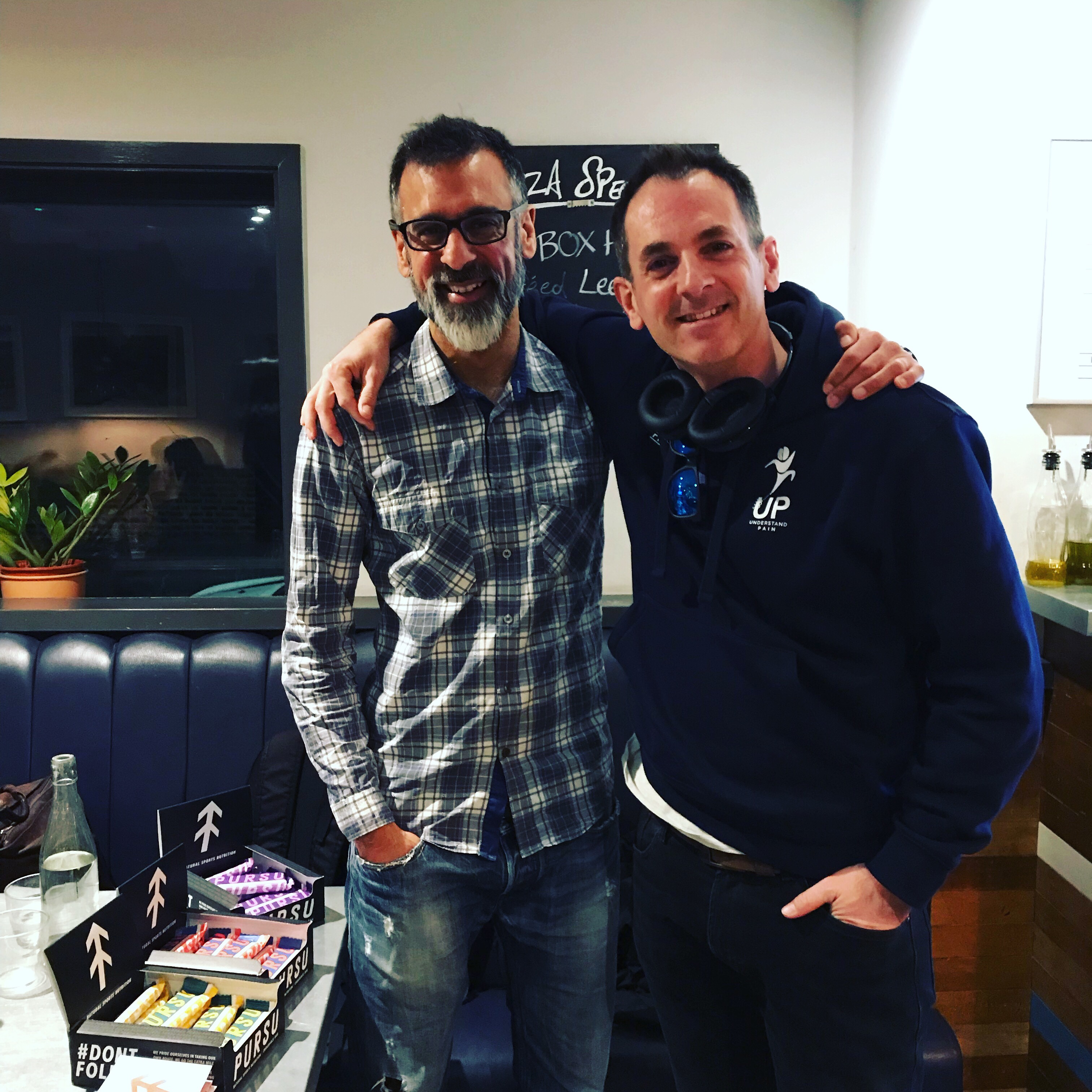
This is the first in the series of top tips this week in the build up to the London to Brighton 100k ultra in association with Pursu nutrition bars. Pursu was created by Sanjay (above), who followed his dream and is pursing his passion for cycling and healthy eating. As well as being delicious, there are features of these bars that really stand out: no sugar, the finest ingredients (and they really mean that!), and sustainability (read more here). Pursu and Sanjay have been sponsoring #upandrun, which I am immensely grateful for, especially when I need fuel!
UP Top 5 Marathon Training Tips
There are many tips one could give, and indeed I have been given lots of advice that has helped me. Here are my top 5.
1. Get to the start line
This may sound obvious, but this is always a primary goal. It means that you have followed your programme and not over- or under-done the training. Along the way there are always aches and pains; that is to be expected. However, sometimes there is a decision to be made: should I train or not? This maybe when you have a recurring pain or an injury (they are not the same or well related — read here) or if you are unwell. The former you should take advice to determine what has happened and what you must do, and the latter will require a period of recovery.
People often fear that they will be behind in their training or lose fitness of they cannot follow their programme to the letter. However, when you remember that only by getting to the start line will you be able to participate, then the best decision becomes clearer.
2. Chill out the week before but plan it
For at least a week before take it really easy. It’s a wonderful time relaxing, eating and having more time…also known as tapering and maranoia! Suddenly it seems like you are not training, which can throw you. Keeping focused and planning the week is important. You will feel better for it as the excitement builds.
Your training plan will include tapering. This means a few easy runs to keep moving at an easy pace, and perhaps a short one (just a few kms) at race pace for the feel. The rest of the time can be spent keeping your body moving and relaxed with a daily stretching programme, yoga, lots of movement if you have a sedentary job, walking, easy swimming, breathing exercises, meditation, focusing on what you want to achieve (see below), consistent bed times and fuelling up. Make a plan for this and stick with it. Writing down your plan makes it more likely you will follow it.
3. Plan your travel and logistics
As relaxed as you maybe, plan what time to arrive at the start and how you will get there. You will be excited and nervous (they feel the same, so you can decide…), so to fully enjoy the build up in the morning, know what you are doing. Late surprises or forgetting kit is annoying and can easily knock you off track. Keep it simple.
This is a habit of peak performers, paying attention to the detail and focusing on what you can control: your plans and attitude. Things to consider: pack your kit the night before, time to arrive, how to arrive, breakfast, hydration, bag drop (there can be long queues), toilet (there can be long queues), when to get to the starting pen.
4. Use visualisation as a way to focus
Keeping focused is important, especially as the excitement builds. It is also a great thinking tool when tough moments arise during the run. What do you want to achieve?
There are many things you can focus on to lift your energy and maintain direction towards your picture of success. For example, visualise running over the finish line, bring to mind the purpose of your run (what is the reason why you are running the distance?), or think of loved ones who are spurring you on. Notice the change in your energy as you do.
5. Enjoy it and look around
It goes by in a flash. So, from the moment of registration until the end, look around and take it all in. You maybe running somewhere stunning or be surrounded by inspiring people who are running for great causes; take it all in and feel the positive energy.
All the training has been done. Usually the training is much harder than the actual day — that’s the purpose in a way. With two weeks or so to go, there’s nothing to be gained fitness-wise, so focus on preparing to be in the best shape (see above) so that you can enjoy the day. The moment that you duck under the finish line, you will feel an incredible wave of emotion in the light of what you have just achieved. The final straight is as close to sensing what it is like to be at the Olympics as people cheer and shout, and suddenly you experience that famous burst of energy, striding towards the end. For many though, this will not be the end. It will be the beginning.









 understand pain