Next Saturday, I will be on my way, running from The Chilterns, across the North Wessex Downs to Avebury along an ancient path. Race To The Stones is a 100k ultramarathon, and the next in line for #upandrun: the project that combines running with workshops to raise awareness and improve lives.
You can follow my progress on the day with the hashtag #upandrun on both Twitter @painphysio and Instagram @paincoach & @upandlivewell. One of the UP ambassadors, Chris P, is also running next weekend, taking on the Beacons Way Ultra 100. I hope to posting pictures of his progress as well as we track each other.
Running up The Pentland Hills, nr Edinburgh
Look out for the next UP workshop date — an interactive session for people suffering chronic and persistent pain. Come and understand your pain and learn practices, tools and an approach to move on and improve your life.
If you would like to organise an UP workshop near you, please get in touch: richmond@specialistpainphysio.com
Despite piles of research and narratives that have taught us pain and injury are not the same or well-related, this remains the predominant belief in society. It is a belief that informs both self-management and more seriously, professional healthcare management: the search for a structure, injury or pathology to explain pain.
Whilst we must determine the existence of an injury or pathology that may require intervention, this is only ever a part of the story. The lived experience must be the primary focus. The ‘what it is like’ is a unification of thoughts, feelings, perceptions and actions. Bringing these two together is essential, whilst giving the person a clear picture of what is happening. It is complex because we are complex. There’s no need to dumb it down.
It is the person who feels pain, not the body ‘part’
On the London to Brighton ultra a few weeks back, we had criss-crossed the urban areas and reached the countryside. With very little of interest along the Surrey roads, conversation kept you going. There were some very mild slopes but nothing that would be considered ‘technical’. So the foot fall is easy, requiring little or no thought as you trot along establishing a rhythm.
Then you hit the uneven terrain that requires more focus, paying attention to what is coming, adapting to the loose stones, divets, slopes, small mounds hidden by long grass, tree roots and other small obstacles. Duck! That was a low hanging branch, more difficult to clock because it’s a bit darker on the trail in the woods.
Crossing a section of a field that was sun-baked mud with a good covering of grass, my right foot hit the edge of concealed tractor tyre track, woah…! My ankle rolled in and I over the top, but I managed to steady myself and continue. ‘You ok?’, called my running buddy of that section who was just behind. ‘Yep..no problem’, I lobbed back. We carried on. That was about 40k into the 100k day (it ended up around 104k…runner’s were sure the course was longer than it was marked).
We reached the halfway point. Hot food was available and I saw fellow runners tucking into burgers and chips. Food held no appeal, so I forced down some chocolate and fruit together with plenty of fluids. With the second half to go, my feet deserved a check and a change of socks. Inevitably feet sweat and swell, both a risk for blisters. There’s always a little hesitation before removing socks: what will my feet be like?
Remember that what we feel (perceive) and what is going on in the tissues is often different — they are not the same. My state, biological and emotional (that are unified), means that it is entirely possible to experience no unpleasant sensations in my feet, yet I have a reddened area developing or even a formed blister. Checking your feet becomes an essential strategy. A little bit of TLC here and there and all was fine to get going: a couple of preventative Compeeds, a bit of a rub and a stretch.
70-80k was tough. Over half-way, but still 30k to go, including a climb over the Downs. This is a big part of the ‘why?’. At one point I was struggling to get past two other runners who were traveling at barely a walking pace. This is the time to use those mental (embodied) strategies to keep going. You know these moments are going to come; not if but when. I call the my ‘sticky bits’. I also know that they will pass if I keep going.
It was also this time that my right foot started to hurt. The front of my ankle was stinging, accompanied by a sharp pain down the side of the foot. I have a weird little toe on the right that sits up meaning that I use the foot differently to the left. I land and push off more medially. So be it. That’s the way I’m built so there’s no point making a big deal of it, despite what my mind seems to want to say.
There are many things that lift you. People supporting at random places. Some pop up all the way along the route so you get to know them even though they are there to support someone else. Other runners that you come across and then plod along with for a few hours. When else would you meet someone you don’t know and spend hours chatting? The aid stations are GREAT. Usually full of encouragers and definitely packed with treats. Many have said that ultras are eating competitions. I wouldn’t disagree. The normal diet that nourishes goes out of the window as you consume all the naughty stuff that you can get ahold of! Melon has a special place in my heart in these moments. Music and purpose are two further tools that spur me on.
The pain was not abating and if anything was trying to grab more and more of my attention. It didn’t occur to me that maybe I had sprained my ankle until much nearer the end of course. Even then I didn’t give that thought much credence. In essence, it would not be useful to consider this as a possibility. What use would that be? In particular as there was no way I was going to stop anyway.
I love the burst of excitement, energy and emotion that emerges right near the end as the finish line appears. The last few kilometres at dusk, following a looping path towards the Brighton Racecourse, were a push. I wanted to end with a burst so decided to walk a few hundred metres to gather myself. A couple of runners went by and I saw another shadow in the distance behind. There was no way I was going to let him or her pass! I started running again towards the lights in the distance, Brighton below the hills beckoning.
Hitting the longer grass of the racecourse was an unwelcome surprise. Heavy ground and the need to lift my feet meant that I had to bend my knees and flex my hips, neither of which my body was keen to do. But as often happens, there is an easing as you relax into the job in hand, and that is to finish at speed. How often do you see that at the end of a race? The explosion of energy as if some superhuman force has taken over the runner, powering them to glory!
My power burst came, fuel injected with a mantra I can scarcely remembered as I stormed past the two runners who had overtaken me a kilometre or so before. They waved me on, cheering, as is what happens at these events. Everyone supports each other, on a day of sharing an incredibly tough experience, in a way that I have not seen in any other walk of life. It’s a unique camaraderie.
Suddenly it’s over. The last few steps under the inflated finish archway, applauded by the race officials, finishers and other people milling around the end. You know who has run because there’s a style of walking that looks like you’ve…. (you get the picture).
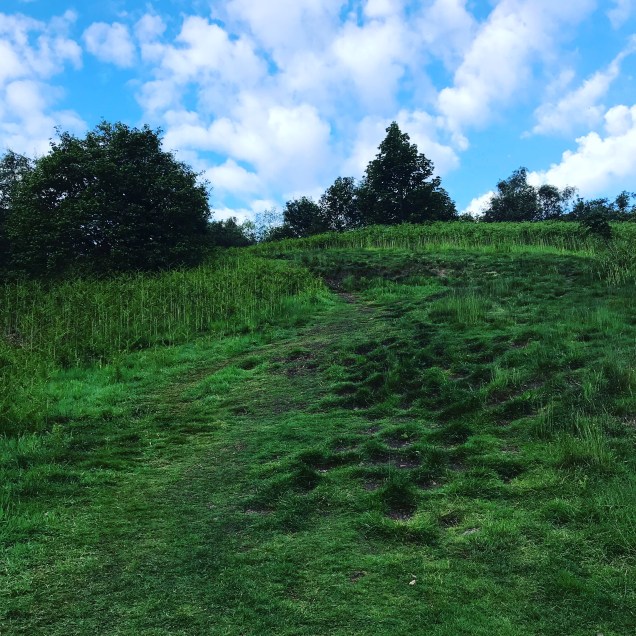
Sleep after a long run for me is an interesting business. Vivid dreams, lots of movement and half waking. The inevitable leg stiffness meant walking to the shower room, all of two meters away, was a challenge. It looked so far away. Ooh, what’s that? I thought as I stepped with my right foot. I looked down and saw the bruising and swelling you can see in the picture at the top of this blog. Indeed I had sprained my ankle. But the pain experience, which is always subjective and uniquely mine, had varied so much since the tractor track incident.
As I looked and wiggled my foot it started to hurt more. Paying more attention to the sensations and what I could see, the discomfort intensified, as it typically does. Of course, when I injure myself it is meant to hurt as a means of helping me protect myself to allow healing to proceed. This is biology in action, and it is going on in the dark. I have no access to this, only what I can feel and see. From there I make assumptions about what has happened and what I must do now for the best. This is all based on my belief that I can get better because I have done before, and there’s no reason to think anything else. Each person will have their own set of beliefs, past experiences and expectations.
Pain and injury are not the same. Pain is subjective — I, the whole person, feel the pain. Injury is objective. They are different and do not relate well. The circumstance, past experience and expectations all play a role, which is why I injured my ankle at 40k and did not really know until the next morning. Pain was and is not a good guide. It just tells me that there is a need to be met as an inference for what maybe happening, yet still compelling action even in the case of no or a minor injury. We are wise to acknowledge and assess, which is why understanding pain is so important. We can then choose the next best action.
As the UP story gathers momentum, in particular the #upandrun project (ultrarunning, marathon running and the UP education programme), we are delighted to welcome two new UP ambassadors: Chris and Jeff. Both will be running for #upandrun so keep an eye out for blogs, pictures and always the hashtag!
If you see #upandrun hashtag, give us a shout out! Take a pic and post it on Twitter or Instagram.
Chronic pain affects so many people for so many reasons. The measure of our success will be how many people we can inspire to move on to live their best lives.
This week look out for…
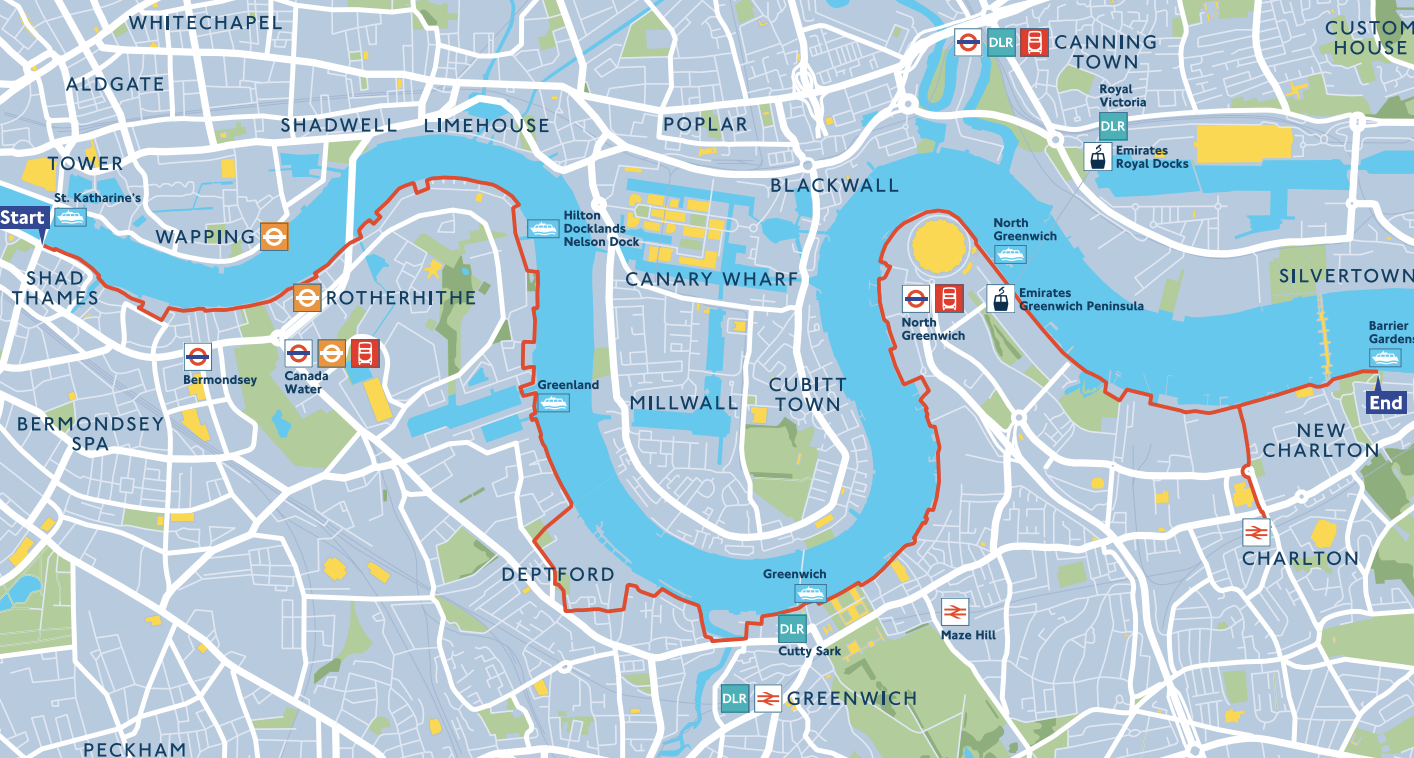
Richmond running along the Thames Path tomorrow (Thursday) from Hampton Court to the Thames Barrier
Next week look out for…
The UP talk and workshop on Weds 3rd July at 2pm at The Groves Medical Centre. Get your place here >> tickets
…that 75% would NOT stop running, even if it was found to be bad for you. Those who would stop (25%) ‘..were older, more likely to be married, had more children, were running less, were more health oriented, were less achievement oriented, and had less psychological motivations for running.’
One of the most fielded questions is why? Why do you do it? Last weekend I ran for a couple of hours to drive my wife home. Yesterday I ran for a few hours with an old friend (old in that we have known each other for almost 40 years, not that he is old…) to a BBQ. We arrived sweaty but not smelly. No-one wanted to hug us. You just fit it in, the mileage that is. Early starts, a mode of transport, when home alone etc etc.
Reading some of the writings of the great ultra runners, all will give their reasons. They are personal and varied. Some of my reasons include pursuing a purpose (#upandrun to ease suffering and improve lives affected by chronic pain), wanting to know how far I can go, pushing beyond the pain barrier, exploring consciousness, feeling fit and well (despite consistent aches and pains from the running — paradox?), seeing places, being alone, meeting people, being part of something a bit mad, to impress my wife :), and more. This is in no particular order, although it is often my purpose that keeps me going.
This coming Thursday I am running from Hampton Court to the Thames Barrier along the Thames Path before doing my afternoon clinic: an ultra before work. An ultra is anything beyond a marathon (26.2 miles). This is part of the prep for Race to the Stones on July 13th, which is 100k.
Last section up to the Thames Barrier
I’ll be setting off early, so if you are out on a run, walk or commute along the river and you see me, do give me a shout, tweet a pic or on Instagram using the #upandrun hashtag.
The next Understand Pain Talk and workshop is on July 3rd >> read here
Having chatted to my old pal who is a far more experienced runner than I, here are some of the things we spoke about.
Eat before you get hungry
Otherwise it’s too late. Most ultras have rest stops packed with food and drink choices. Early on you may not feel hungry, but eat anyway to stock up for later on when you need the energy.
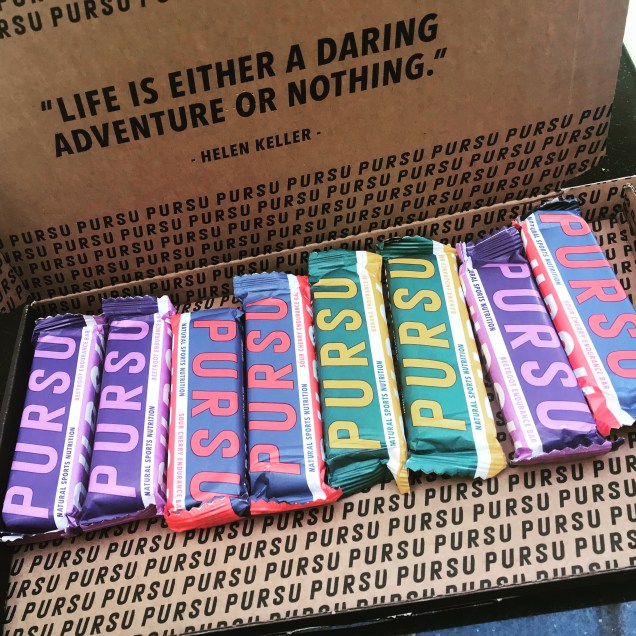
Pursu nutrition
What should I eat? Listen to your body
This is one day when you don’t have to worry about what you are eating (if you do normally). So when you are faced with a table of fruit, sweets, flapjacks, cookies, sandwiches, pizza, pasta, and the rest, what grabs you? Go for it!
Pic N Mix table on the IOW Challenge
Don’t stop for too long
Making a judgement about stopping at the rest stations means considering what fuel and drink you need, stretches that help nourish areas working hard and repetitively and not resting too long. The last point is important because if you are like me, I stiffen fairly quickly meaning it is hard to get going again.
There’s no definite approach, so you must find your own. In that sense, each run is a voyage of discovery! And no run is ever the same so we can only draw loose conclusions anyway.
If you are running and someone walks past, start walking
Sometimes it feels like we are moving along nicely but our perception is different from reality. In particular, on your way up a hill, if others are walking at the same pace or quicker than your run or jog, then save energy and join them.
May 25th London to Brighton 100k ultrachallenge
Tomorrow I will be running from Richmond to Brighton for UP as part of the #upandrun 2019 series for Understand Pain. This week I held an UP workshop at The Groves Medical Centre for people who want to understand pain and know how to move onto live a fulfilling life. There will be future workshops that will be publicised on the website and social media.
Sponsorship and partnering opportunities
We are seeking sponsors and partners for #upandrun to share in the story of improving lives and society. If you are interested, please get in touch: richmond@specialistpainphysio.com
In association with my fuel sponsor Pursu, here are 5 top ultramarathon tips that I have learned so far. There are many, but these have been particularly helpful for me running distances beyond the marathon; so over 26.2 miles.
1. Be curious
People often ask why. However, the answer is not straightforward and each person will have their own reasons why they run for hours and hours, and hours. So you need to be curious about yourself and what you can achieve — what is under your hood? One thing for sure, is that you get to know more about who you are, especially during the long sections when you maybe running alone.
This somewhat blends with your purpose. Some will run for a cause or charity, mine being Understand Pain. This I have written about in the marathon tips blog and the keeping going blog. For the inevitable tough moments that make you and the event, we need strategies to continue putting one foot in front of the other. This ranges from dogged determination to using visualisation. Be curious about how you approach them, what you think, what you do, and how you steer yourself onward.
2. Look after your feet
Running the Isle of Wight Challenge recently, I was surprised at how many people left their foot care until when the blisters had caused them to stop. Some were in a really bad state — agonising. I am sure a number of such folk would have dropped out having done all that preparation. That must be so disappointing, especially when that degree of injury was preventable.
Of course this includes choosing the right footwear. I recently made a mistake that I am now recovering from. Excitedly I selected a pair of road shoes that had too much stability, meaning that I was taking extra strain around my hips, pelvis and lower abdomen. Over months and many miles sensitivity built up — I am sensitive, resulting in feeling sensations and emotions more richly, and frequently aware of bodily sensations. On going for a closer examination of the fitting of my runners, I am now in a neutral shoe and half a size up. Heaven!
On feeling the familiar tingle that warns of a blister coming, be quick to take action. If you are out on a long run, you can dry your foot and apply a dressing such as a Compeed, perhaps even taping it for added security. Choosing good running socks is important as they pull the moisture away from the skin. However, sometimes even with the best care, the sheer number of steps, the temperature and ground conditions cause rubbing and blisters. We just need to minimise the risk and take care early. A further preventative measure is to apply an anti-blister stick to vulnerable areas before running.
3. Fuel
Getting fuelled up before, during and afterwards is vital for these longer runs. Each person must find their own way according to individual needs and tolerances. Some ultra runners eat pizza and burrito at lunch. I can’t stomach that kind of food, instead opt for the stuff my body needs. Working out a plan and trying different foods is part of your training. Don’t leave it to discover on the day that you cannot digest certain things and then find yourself running with a bag of cement in your stomach. Or worse…
Read up on what you need nutritionally and then choose your foods. My basic routine is this: lots of protein and fibre in the week before (chicken, tuna steaks, veg, fruit, flaxseed, nuts, seeds, beetroot); carbs the two days building up to the event (pasta mainly), especially spaghetti bolognese the night before (that’s a tradition now) with extra spaghetti; porridge on the morning of the run with at least one proper coffee, water, Pursu bar, banana and maybe a handful of nuts.
During the run I will sip water and an energy drink (2 bottles in my chest pack). Mostly at the rest stops I take on a banana (potassium), wet fruit (e.g./ melon), cookies, salt and vinegar crisps (salt), shot of coffee (especially in the morning), coke (flat) and water. I carry gels that I use as needed whilst on the go.
Afterwards I usually crave pizza, coke (cold and fizzy), and anything else that is in my path….
4. Enjoy the ride
Typically the longer runs are along scenic routes. I make a point of taking it all in as I am trotting along. One of the privileges of running is being able to see things you would not otherwise see.
Life appears to go by so quickly. My sense of time always shifts dramatically when I am out running for hours. I lose track, and it’s wonderful.
On the IOW Challenge there were long periods of running alone. I like that, but it is also great when you come across and fellow participant. Sometimes you run together for a while and chat. There’s an immediate connection because you are both doing something mad.
5. Look after your body (your whole self)
Not that your body is separate from your embodied mind — the body keeps the score of all your experiences. Regular readers of my blogs about overcoming pain will know that I firmly believe in the notion of the whole person.
That said, the conditioning behind the scenes is an important part of the training programme. In brief, the main components should include strength, body control (balance work) and flexibility (yoga, stretching). Often I speak to amateur runners, even those who are accomplished, and they pay little attention to conditioning their body. There are two primary risks of this approach: (1) injury (2) not reaching your potential.
Day to day behind the scenes routines make the difference: diet, sleep, how you manage your life, regular movement (especially if you have a sedentary job), how you roll with the inevitable ups and downs of life. The race is just the tip of the iceberg; the reward if you like. This depends upon the running training but also how you look after yourself. With athletes, I spend time with them looking at ways that they can improve their outcomes by best managing all these areas of life that are inseparable, much as mind and body are inseparable. You are a whole person, on a timeline when nothing happens in isolation.
For more on this, please contact me: richmond@specialistpainphysio.com
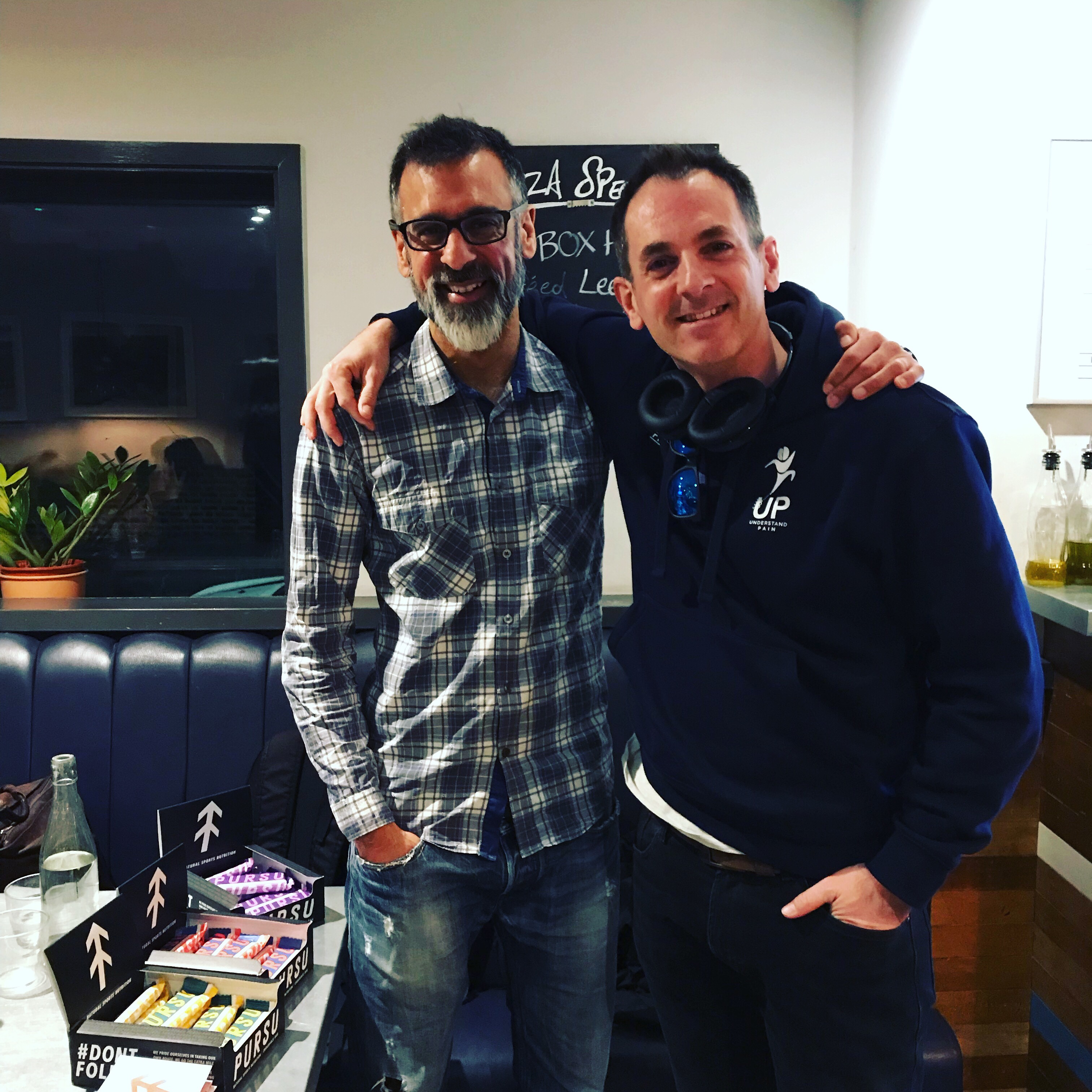
This is the first in the series of top tips this week in the build up to the London to Brighton 100k ultra in association with Pursu nutrition bars. Pursu was created by Sanjay (above), who followed his dream and is pursing his passion for cycling and healthy eating. As well as being delicious, there are features of these bars that really stand out: no sugar, the finest ingredients (and they really mean that!), and sustainability (read more here). Pursu and Sanjay have been sponsoring #upandrun, which I am immensely grateful for, especially when I need fuel!
UP Top 5 Marathon Training Tips
There are many tips one could give, and indeed I have been given lots of advice that has helped me. Here are my top 5.
1. Get to the start line
This may sound obvious, but this is always a primary goal. It means that you have followed your programme and not over- or under-done the training. Along the way there are always aches and pains; that is to be expected. However, sometimes there is a decision to be made: should I train or not? This maybe when you have a recurring pain or an injury (they are not the same or well related — read here) or if you are unwell. The former you should take advice to determine what has happened and what you must do, and the latter will require a period of recovery.
People often fear that they will be behind in their training or lose fitness of they cannot follow their programme to the letter. However, when you remember that only by getting to the start line will you be able to participate, then the best decision becomes clearer.
2. Chill out the week before but plan it
For at least a week before take it really easy. It’s a wonderful time relaxing, eating and having more time…also known as tapering and maranoia! Suddenly it seems like you are not training, which can throw you. Keeping focused and planning the week is important. You will feel better for it as the excitement builds.
Your training plan will include tapering. This means a few easy runs to keep moving at an easy pace, and perhaps a short one (just a few kms) at race pace for the feel. The rest of the time can be spent keeping your body moving and relaxed with a daily stretching programme, yoga, lots of movement if you have a sedentary job, walking, easy swimming, breathing exercises, meditation, focusing on what you want to achieve (see below), consistent bed times and fuelling up. Make a plan for this and stick with it. Writing down your plan makes it more likely you will follow it.
3. Plan your travel and logistics
As relaxed as you maybe, plan what time to arrive at the start and how you will get there. You will be excited and nervous (they feel the same, so you can decide…), so to fully enjoy the build up in the morning, know what you are doing. Late surprises or forgetting kit is annoying and can easily knock you off track. Keep it simple.
This is a habit of peak performers, paying attention to the detail and focusing on what you can control: your plans and attitude. Things to consider: pack your kit the night before, time to arrive, how to arrive, breakfast, hydration, bag drop (there can be long queues), toilet (there can be long queues), when to get to the starting pen.
4. Use visualisation as a way to focus
Keeping focused is important, especially as the excitement builds. It is also a great thinking tool when tough moments arise during the run. What do you want to achieve?
There are many things you can focus on to lift your energy and maintain direction towards your picture of success. For example, visualise running over the finish line, bring to mind the purpose of your run (what is the reason why you are running the distance?), or think of loved ones who are spurring you on. Notice the change in your energy as you do.
5. Enjoy it and look around
It goes by in a flash. So, from the moment of registration until the end, look around and take it all in. You maybe running somewhere stunning or be surrounded by inspiring people who are running for great causes; take it all in and feel the positive energy.
All the training has been done. Usually the training is much harder than the actual day — that’s the purpose in a way. With two weeks or so to go, there’s nothing to be gained fitness-wise, so focus on preparing to be in the best shape (see above) so that you can enjoy the day. The moment that you duck under the finish line, you will feel an incredible wave of emotion in the light of what you have just achieved. The final straight is as close to sensing what it is like to be at the Olympics as people cheer and shout, and suddenly you experience that famous burst of energy, striding towards the end. For many though, this will not be the end. It will be the beginning.
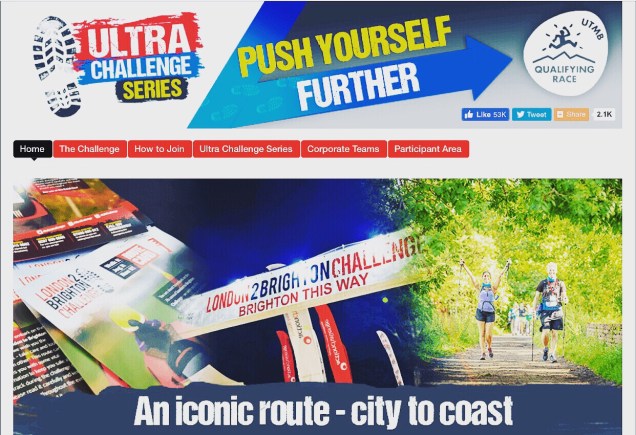
The next stage of #upandrun for Understand Pain is the London (Richmond upon Thames) to Brighton. 100k from city to coast. I lived in Brighton for some years, so it feels a little like running home.
This time I will be doing it in one day; the full 100k. Of course I am expecting and preparing for challenging moments along the way. That’s why we do it! To face, overcome and complete.
Running can be a great metaphor for life. Inevitably life is full of ups and downs. These are unavoidable. However, our approach and attitude define them as opportunities or obstacles. Whilst these moments maybe hard and unpleasant, the way we view them determines whether we learn and move on or suffer more than is necessary.
The tougher moments when running include fatigue and heaviness in the legs, knowing that despite going for hours, there are still hours remaining, and various aches and pains. I’ll share a few strategies that I use to re-focus and keep going.
1. Re-focus on what you want and keep going
Everything comes through the mind. The mind is embodied. These are both important considerations. There is no separation between body and mind. Instead we have a (whole) person. The way we think is embodied, the decisions we make are affected by our body state, and our bodies keep the score of all our thoughts and emotions. Skilfully appreciating this and using it to our advantage is one of the habits of peak performers. We can all be peak performers in our own way.
In that tougher moment, you learn to take a perspective and re-focus on what you want to achieve as an outcome. What is my picture of success, or dream? When you focus on what you want, you feel your energy lift. In one way, this is how you know you are focusing on your picture of success rather than something else. For instance, paying attention to the feeling of heavy legs and any on-going thoughts brings on further sensations of heaviness — it gets worse.
2. Remember your purpose
Knowing one’s purpose is healthy according to research to date. Since Viktor Frankl wrote Man’s Search for Meaning, there has been interest in purpose as something that spurs us on, gets us up in the morning and drives persistence in the face of adversity.
Many people run with purpose. Often this is for a cause such as a charity, chosen in the name of a loved one who suffers or has passed on. I believe that is why events such as the London Marathon are so emotive.
In that moment when it is ‘sticky’, you recall your purpose, the person or people you are representing and drive on. You know that no matter how much it hurts right now, it is nothing compared to the suffering of others.
3. Fuelling skilfully
On longer runs, your fuelling is essential. It is also personal and unique in as much as each person must find out what they need. The experimentation should take place on training runs so that you know and can prepare fully for the actual event.
The night before I always have a (big) bowl of spaghetti bolognese. In the morning, I am up early having porridge with blueberries and honey. At least one shot of coffee is also essential for me, together with two shots of beetroot juice. Until the start, I will nibble: a banana, a Pursu nutrition bar, cashew nuts; and sips of water.
During ultra runs, I re-fuel around the first 10-12k mark and then at the rest points. On the Ultra Challenges, the rest points are every 10-15k ish, offering a range of fruit, pastries, cookies, flapjacks, sweets, coffee, water, sports drinks, pick n mix, hot meals (at lunch) and more. Typically I will have a banana, salt and vinegar crisps, a cookie, water, a shot of coffee, pick n mix (yum!), watery fruit (e.g./ melon), sports drink and refill my bottles. I carry gels and use them as needed, but typically towards the end when I need a little booster.
The principle I follow is to keep hydrated and fuelled rather than wait. I used thirst as a guide, but only very mild thirst, sipping regularly, especially if it is hot. When I notice a particular type of heaviness and I know that there is a way to go before the next stop, I will use a gel.
Marathons are different because the are no rest points; the run is non-stop. Fuelling and drinking are on the go. It can be messy!
Whichever way you find works, it is a key strategy to use in order to keep going.
I’ve sat and watched the London Marathon this morning as part of my preparation for the double ultra next weekend. It’s so inspiring to see the elites make it look so easy in their relaxed yet relentless pursuit to cross the line. Equally inspiring are the thousands of people driving themselves round the streets of London for a cause. All in all, very positive. Then the crowd plays its part without limit. So well I can remember the encouragement all the way, and then that final stretch……….it’s like winning the Olympic gold as people roar, wave, blow instruments and all the rest. The feeling is like nothing else whether you are in 1st place or hours later — I know the latter 🙂
This week I have set up a simple plan to relax, stretch, move and eat well, plus massage and yoga. I do have a mild groin strain off the back of the Brighton Marathon a few weeks ago, so will be putting plenty of emphasis on nourishing with movement.
Next:
Don’t forget the fun quiz night coming up on May 22nd at Wags N Tales in Surbiton raising money for Understand Pain social enterprise and CRPS UK charity. Tickets here.
Plus, on the afternoon of the 22nd I will be talking about pain and practical tools and strategies that people can use to improve their lives. Tickets here
Why?
Just in case you are new to the site, the purpose of Understand Pain is to raise awareness of the problem of pain, the No1 global health burden, and what we can do to improve lives. With some 100 million people in Europe suffering, and the yearly costs reaching 441bn Euros, the outcomes must change. The major hurdle is that pain is largely misunderstood meaning that people are not aware of their choices, ways that they can cope with the pain so that they can move on, and that indeed pain can and does change. Our understanding of pain has progressed enormously over the past 10 years. There has been some great revelations via the research, but also from related fields.
We are not just talking about back pain, neck pain or other common musculoskeletal pains. Think of all the conditions and situations in which pain features: cancer, diabetes, heart disease, auto-immune diseases, irritable bowel syndrome, pelvic pain, headaches, migraines, dementia. When you see all those charities running today, there are few, if any, where pain is not part of the reason for suffering. There is so much we CAN do, starting with understanding pain. And on this, Understand Pain, or UP, is keen to work with any charity or organisation that represents a condition that features pain.
If you have any questions or believe that you can help in some way, including donating funds to scale our work (e.g./ workshops across the UK), please get in touch: richmond@specialistpainphysio,com
Keep an eye out for the hashtag #upandrun as I keep plodding for pain!
It’s been a great weekend in Brighton, but now it’s straight back into training to be ready for the Isle of Wight Challenge at the start of May. That means a 20k trot today.
The route yesterday was lined with supporters giving enthusiastic encouragement. Some of the stretches were long and straight, meaning that as you were running, you could see the sea of bobbing heads stretched out in front for some distance. Coming back from the power station to Madeira Drive, the 360 and the pier were landmarks. With the wind blowing at you, they seemed so far away!
The final stretch to the finish line is an incredible moment. The crowd are going absolutely crazy and because you are stretched out, it feels like you are the only runner. Suddenly you’re filled with energy and find yourself sprinting (it feels like sprinting…) to the line. Awesome!
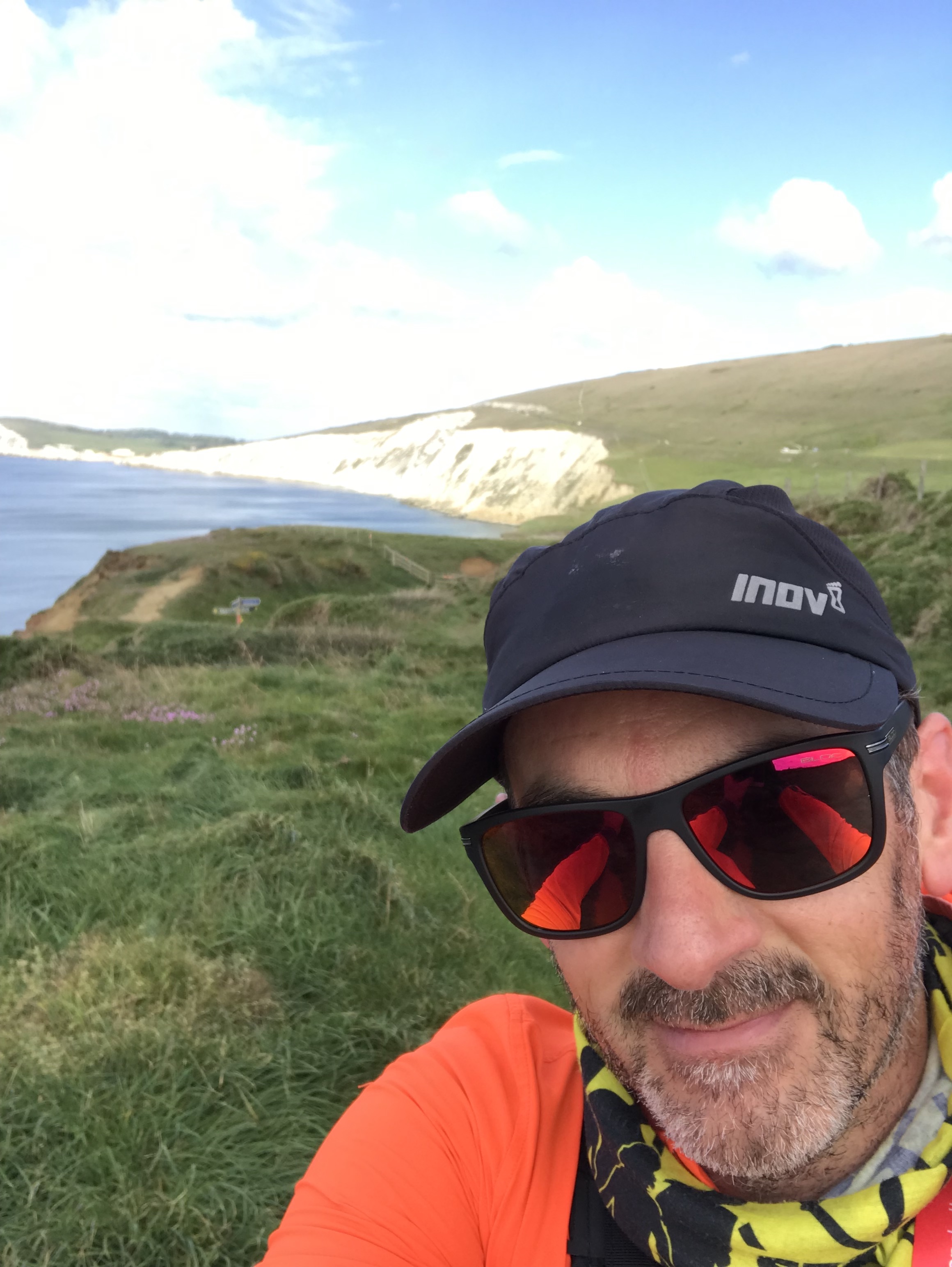
So now onto a longer run that is a totally different experience. My preference is off road, trailing running so although this is 53k x 2 (Sat/Sun), for me there’s no sense of needing to hit a pace. Instead it is about enjoying the ride, meeting others who are in for the long haul and marvelling at the scenery of the island’s coastal path.
As ever, this is for UP, so do follow us with the #upandrun as we seek to raise the awareness of the problem of pain, especially chronic pain, and what we can do as a society to ease suffering.










 understand pain