
CRPS Cork 2017 Day 2 Observations and onwards

IMG_0455
Cork 2017

Does technology do it? 

There can be a place for interventions in a rounded treatment programme for CRPS. However, like drugs, they do not give the individual the opportunity to learn about and transform their pain. Instead it is an attempt to change the symptoms without addressing the reasons. In other words, a short term, possible fix. It is understandable why someone would go for that option. The responsible clinician will ensure that the person continues to work upon their practices together with the interventions and drugs. ‘Is this what really happens?’ is the question.

Technology is advancing all the time and hence in society is perhaps an implicit expectation that a ‘machine’ will solve the problem. Clearly interventions have not solved this problem, the numbers of sufferers are ever-climbing. I am not sure that they ever will be more than an occasional contributor because the only way a person can really create a meaningful life is by doing just that.

You get back to living by living, not waiting for something to happen or for someone to do something to you. There maybe parameters to work to and practices to practice, but engaging with what you expect of you and your life is the way to gain success. Drugs and interventions may be useful along the way, but not as the main thrust. To offer such a way forward is not giving the person the opportunity to reach their full potential.

To offer drugs and interventions as the way forward is not giving the person the opportunity to reach their full potential. Only by understanding their pain will the person see their own potential to get better

We should be keeping an eye on the balance of funding for research. Is there the necessary funding for study of the condition versus funding for possible interventions and technology? Who is providing the funding? This was an interesting and relevant observation from one of the speakers.

What about the immune system?

The mid-morning session was of interest to me. I find the immune system fascinating as one of the important systems that play a role in protecting us. What goes on in the immune system in CRPS? Are we seeing an over-inflammatory response in people who suffer the condition? How have they been primed and how has their neuroimmune system learned to protect and heal over the years? Dr Andreas Goebel and Professor Frank Birklein delivered very good scientific talks on the topic, offering their insights into the relevance (see links to articles below).

“So what?”

There is a search for sub-types so that treatment can be tailored for these categories. The question is whether we can ever reduce the immeasurable number of variables that constitutes an individual with their unique story into a sub-type? Whilst studying the microbiology of inflammation in CRPS may deliver some important insights into parts of the condition, we must maintain a picture of the whole and remember the person. Chemicals, receptors, signalling pathways are all fascinating (I do love looking at them) but the patient can rightly say: ‘so what?’. There must always be relevance for the person: “What does this mean for me?”.

So what is the relevance? If we can understand these pathways and the role of inflammation, develop ways of determining their influence and how this manifests as the lived experience, we could possibly develop pharmacological treatments that help. Again, this does not replace the need for the person to learn about and transform their lived experience but it could help. It appears we have a long way to go. Additionally, is the fact that any agent that has an effect upon the immune system is likely to have other effects, often unwanted. Chatting to a rheumatologist, she made it very clear that extreme caution is needed in using an ‘auto-immune’ approach to treat CRPS because of the possible side-effects.


Here are some of the studies that are relevant and were referred to:

Complex regional pain syndrome: An optimistic perspective

Inflammation in cold complex regional pain syndrome

CRPS: evidence for warm & cold subtypes in large prospective clinical sample

A prospective, multisite, international validation of the CRPS Severity Score

Association of catastrophizing with interleukin-6 responses to acute pain ~ https://www.ncbi.nlm.nih.gov/m/pubmed/18778895/

Cutaneous immunopathology of long-standing complex regional pain syndrome

Treatment of Longstanding Complex Regional Pain Syndrome with Oral Steroids

Genome-Wide Expression Profiling of Complex Regional Pain Syndrome

Local anaesthetic sympathetic blockade for complex regional pain syndrome

Increased prevalence of posttraumatic stress disorder in CRPS

Autoimmunity contributes to nociceptive sensitization in a mouse model of CRPS


The posters presentations were punchy, which is exactly right. It is a skill in itself to keep to your allocated time, allowing all speakers to tell the audience about their work. With the advent of TED talks and this becoming the accepted way of presenting your point, it keeps the delegates on their toes and fresh for the information.

Janet Bultitude won the poster competition for her work on the spatial elements of CRPS.

The afternoon was completed with a discussion about amputation and whether this should be a treatment option for people with resistant CRPS. This could have been a highly emotive subject but in fact there was a very sensible and reasoned conversation. Examples were given when amputation was necessary, e.g. when the limb was gangrenous, including Victoria Abbot-Fleming from Burning Nights giving an account from her perspective as a double amputee. Just as Day 1 was rounded off with real experiences, this was true of the second.

With final comments and thanks from Dr Dominic Hegarty, the feel was certainly one of achievement. The conference met its expectations in the main, drawing an international crowd, a host of top names and talks that covered the ground. For me though, there was a missing ingredient: the actual people whom we have been discussing, those suffering CRPS. This is a consistent omission at conferences and one that I feel misses a great opportunity for important conversations.

SIP 2017 ~ chronic pain is a societal issue
SIP in Malta 2017

At the SIP 2017 conference in Malta there was equal participation in all areas, including the working groups, by all delegates: patients, patient representatives, clinicians, policy makers, MEPs, scientists and charities. All contributed meaningfully so that the complete story was told with equal contribution. Opportunities and possibilities resulted in positive work being done at the conference, rolling onto action in Europe. Sadly, on return to the UK there was no change. No-one I spoke to had even heard of SIP let alone the work. We are embarrassingly behind.

Change is inevitable, but which way?

Undoubtedly, there is positive work being done in the UK but is it fragmented. Despite having organisations such at the British Pain Society and the Pain Coalition, again most people have never heard of them and have no idea what they do. When I say people, I mean those that need those organisations to function: patients and their families. There is little point in having societies and working groups if the beneficiaries are not receiving answers to their ‘so what?’. This must change. The change will occur in society and has started. This is the reason for UP, to drive such social change because this is where the problem of pain is embedded.

Returning to CRPS, one of the distinct points to come from the conference is indeed the complexity. With different research groups looking at different elements, of course we must draw it together to explain the 1st person experience: pain, altered body sense, altered perception, altered emotions, altered cognition, altered movement, sensitivity, the ‘what it is like to have this’, what it is like to look at my limb that is part of me but does not feel it and much more. In 2011 I wrote a blog entitled ‘It feels weird‘, one of the features of CRPS that is often described to me by patients. Frequently they would tell me that no-one had listened to this before and hence they were nervous about telling me until they understood that I wanted to hear about it!

We are complex. As I have already said elsewhere, there are innumerable variables that make each moment unique and within that our experience is unique and we are unique. You cannot wholly control for that reality. However, I believe that there is great hope and that includes using all of the work we have heard about over the past few days. There was frank honesty about what is known and what works as well as what hasn’t yet. Perhaps the complexity of existing is the reason why and we may not have answers anytime soon. But, and this is a BIG but, that does not mean that people cannot get better. They can, You can.  We don’t fully understand consciousness yet but this does not stop us from experiencing and manipulating it. Pain is one of the best examples of a conscious experience together with love, and as we get to grips with this, we will understand pain more and more.

People can get better

Pain is one of the defining features of CRPS. To understand pain means that the person realises and actualise their potential. Pain is characteristic of the person and hence unique to them. To change pain, which we can, we have to change, which we can. Each person has great potential that is often untapped. We have opportunities and possibilities when we are open, learn and use practices to steer ourselves onward in a chosen direction. We begin by asking ourselves ‘what do I want?’. The answer to this is not ‘I don’t want pain’. Think about what you want, not what you don’t want. This is the beginning.

I would love to know how CRPS Cork will inform practice as from the following Monday morning. It is unlikely we will ever really know, but this is the real measure of success. How will this conference have an impact upon society and the people suffering CRPS? Now that would be an interesting question to answer.

Onwards.
Opioid painkiller prescriptions increase

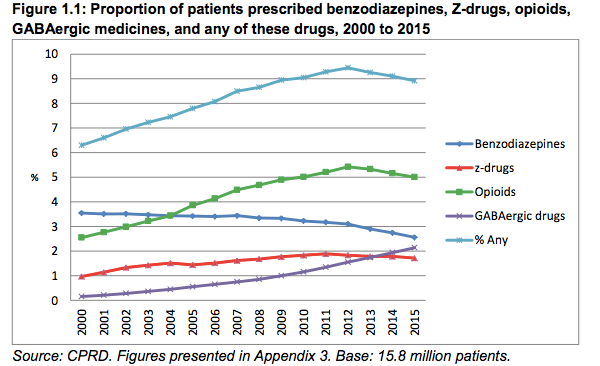
A report from the Public Health Research Consortium (PHR) has shown the increase in use of opioid medication over the past 15 years. This is despite the fact that our understanding of pain and what we can do to overcome pain has advanced enormously in that time. There is a clear mismatch between the pinnacle of pain knowledge and what is known and practiced in society. The gap must close.

Screen Shot 2017-09-08 at 22.30.24
PHRC Final Report: Prescribing Patterns in Dependence Forming Medicines

Chronic pain is the number one global health burden, costing society enormously whilst millions are suffering. This is a public health crisis embedded in society. Whilst doctors are increasingly prescribing opioids, society is also demanding a quick fix in the form of a pill.

There is only one person that can overcome his or her pain

In many or most cases, when someone goes to their doctor they expect to come away with a prescription for a pain killer. They do not expect to receive advice on ‘self-management’ despite the fact that this is exactly what should come first. There can be a role for medicines, but within an overall programme of care that revolves around the person’s own understanding, thinking and actions.

To overcome pain takes understanding, the formation of new (healthy) habits, lifestyle changes, practice and effort

The problem of pain can only be solved with social change. This is the reason for UP, to drive that change by delivering knowledge, skills and know-how to society. To truly understand pain is to be free from the on-going loop of suffering by using our strengths to build wellness. This is the essence of the positive strengths-based Pain Coach Programme, with each person reaching their potential by clarifying their picture of success and learning the principles to follow in order to achieve results.

Screen Shot 2017-09-08 at 23.09.52
BBC News 

UP driving social change

As a purpose-led enterprise UP has the vision of a world where pain is understood to reduce unnecessary suffering. Our purpose is to drive social change with regards to beliefs about pain because we know that people can overcome pain, build on their wellness and live meaningful lives. Understanding pain provides that opportunity together with self-coaching that gets the best out of each individual so that they can reach their potential in whatever circumstances they find themselves.

The Understand Pain and Pain Coach workshops are tailored for the different groups: e.g./ patients, healthcare professionals, schools. The key information is the same, but the workshop structure and the practices are created with the participants in mind. They leave inherently knowing that there is a choice.

The actual experience is a vital part of the process. The sessions are designed to inspire individuals and healthcare teams to learn and grow, provide practical tools that can be used straight away and to integrate their learning in their own unique way that is appropriate for their life.

UP is bound to the principle of delivering positive work to people across the globe. If you would like to partner or connect because you are interested in driving social change for a better world for all, we would love to hear from you. We all have a responsibility to look after each other and the planet and we can choose to do this in our own way. The UP and Pain Coach Programme encourages, educates and enables individuals and groups to build on their innate capacity for wellness by learning and practicing the skills of being well.

In cultivating our ‘wellness’, we create the conditions for a healthy and happy life. Forming a strong foundation of being well that includes such components as self-compassion, purpose, resilience, attention and gratitude means that we become attuned to the existing goodness in us and the world. This does not mean that we do not face adversity, because everyone does at some point. However, practicing being well means that when we do come up against a problem, we can view it as a challenge and an opportunity to learn instead, using and bolstering our strengths. You could say that in fact we are choosing the positive approach as a way onwards.

To overcome pain is not to somehow fight it or to mask the true cause by taking medication. You can’t fight yourself after all. You are your pain as much as any other part or dimension of you. The pain is characteristic of the person as much as their humour or their posturing. Pain is not about tissues or pathology, it is about a perception or prediction of possible danger or threat. To overcome pain is to face the challenge, learn about pain, learn about yourself and how the pain emerges in you, and then transform the experience using practical tools that focus on what you want: your picture of success.

It is not unacceptable for the approach to pain to revolve around medicine. We know too much about what pain really is, what it is for and why we experience persistent or chronic pain. We know that people can get better, lead fulfilling lives and build on their wellness by understanding their pain and what they must do themselves to overcome pain. There is a choice to be had and society need to know that this choice exists. UP strives for the choice to ‘come alive’ across the globe, and we will work tirelessly so that each person can reach their potential for a healthy and happy life.

UP works on a 1 for 1 basis, which means that for each paid workshop delivered, one is provided to the local community within their environment. Please contact us with the form below if you would like to arrange a workshop in your area

Go back

Your message has been sent

Warning
Warning
Warning

Warning.

Migraines are a common cause of suffering

Stressed and frustrated asian business womanBBC News reported on the problem of migraine this week, interviewing a sufferer about the impact upon her life. Similar to other chronic pain problems, the social dimension must be a focus of treatment. Surely this is a medical problem you say!

The BBC spoke with a neurologist who was asked about the causes and treatment options. Standard and expected questions were posed, to which the doctor answered: genetics, certain triggers before outlining the different types of drug. Nothing wrong in those biomedical responses of course and this is what the listeners would anticipate. However, there is so much more to the pain experience and hence possibilities. These were not mentioned so I shall fill in the gaps.

Whilst there is a medical aspect in as much as the person needs a diagnosis and the option of medication, this does not give them the opportunity to learn about the condition, how it manifests in them and what they can do to transform it. Some may say that they don’t want to transform their experience and would rather take medication; a short cut. However, the medications do not always work, your life can continue to be dominated by the ‘what if I have a migraine?’, the effects can change over time and of course there can be side effects.

This is not to say that drugs do not have a role, as they clearly do in migraine and other painful conditions. But if we widen the picture and see the reality, there is a person with a life within society that is living the experience. This is the context that has implications for treatment, training and coaching.

How does this affect the person and their life?

What must we think about? Here are a few examples:

  1. How does the experience of migraine affect the person’s work, family, relationships and social engagements?
  2. How do these effects then impact upon the person and their life?

The modern way to address pain is using the biopsychosocial model. This way of thinking is a doff of the hat to the biology of pain (physiology, pathology etc), the psychology (how the person thinks and feels about their pain) and the social impact (what does this mean for their life and what can the person do?). Having spoken to and worked with people suffering chronic pain for many years, it is the social dimensions that predominate in effect together with the way they think and feel (based on their beliefs about pain, themselves and the world). People are not so interested in the chemicals, receptors and the brain as examples, and why would they be? When you are in pain you want to, you are compelled to take action to bring about a change in state: from protect to healthy. One of the main problems is that the person with chronic pain will be ‘in’ or ‘near to’ a protect state for much of the time. They must learn how to change state using a range of practices.

We are whole unique people ~ read about WUPs here

Living life with a smile

We change state often through each day. That is normal. However, if the protect state predominates, then we can suffer the consequences in many ways. Pain is one way, but there can also be feelings of anxiety, tension and a range of common ‘ills’ such as irritable bowel syndrome, headaches, fibromyalgia, chronic musculoskeletal pain, jaw pain, pelvic pain and others that result from being on alert. A state of readiness like this uses much energy, it is exhausting, and affects concentration, memory and mood as we adapt and change biologically and behaviourally over time. We learn. Sleep is typically affected because as we lay down, our system check out the environment for danger (lions!) and so we remain awake despite chronic tiredness. Being on alert means that we are ready to fight, run or freeze, all of which require musculoskeletal action. This manifests as tension but we are continually ready to act, especially in a new environment, which is why going somewhere different can be threatening and worrying.

Migraine is also one of these common functional pain syndromes. The physiology of migraine certainly involves the brain but there is a body in which we live, where our thoughts are embodied and we act in the world. The biological changes that occur in migraine and in other pain states are sampled by the brain and given a meaning. If the interpretation is one of threat which results in a state of alert and protection. It is the latter that can result in pain, because pain is part of the way we protect ourselves in the face of an uncertain threat.

How dangerous are bright lights? They can be unpleasant and cause us to look away or close our eyes, yet in the migraineur they can trigger an incredibly potent response that is mighty in bringing that person to a halt. The systems interpret that as being potentially very dangerous. In a predictive processing context, the brain ‘predicts’ that the possible causes of the sensory information are such that my experience is one of migraine. Of course this has a different ‘feel’ in different people including pain, sensitivity to light and sound, nausea and vomiting.

Employers have a role to play ~ pain is a social issue

A focus of the BBC interview was upon employers and how they perceive migraine. We can extrapolate this to any chronic pain condition in as much as without true understanding, there is typically little support. Work and chronic pain have not traditionally been good bedfellows, yet with such numbers of people suffering and the escalating costs to society, this is no longer a debatable point, it must change. At a basic level, surely we want to look after each other and our employees? There are positive changes afoot thankfully, but this must accelerate. Let’s run an example to illustrate the problem.

The person who suffers migraines worries that the symptoms will affect her performance. This raises the pressure. They suspect or know that they receive little sympathy or support from their employer. This raises the pressure further. Stress responses, like pain, emerge in the face of a perceived threat and hence the very thought that your job may be under threat has an impact. This is a simple account without even considering other demands in life. Even from this example you can see how the problem can be amplified. The employer may claim that they cannot afford to have an employee who is off regularly. The counter to this is that they could support an approach that gets the best out of that person because they feel supported — e.g./ positive strengths based coaching. They are not having time off because they want to! The essence of the positive team is to get the best performance from individuals and the team, supporting each other with a purpose and driving towards a shared vision. With open communication and a compassionate approach in the workplace, this can be achieved.

Migraine and the body ~ where am I?

There are many adaptations associated with a persistent pain state. This includes changes in the brain, especially in the emotional areas, which is why we feel different beyond just the sensory qualities or intensity. The world looks different, we think differently and we move differently. Our body can have a different feel as the sense of where we are becomes blurred and less accurate. You may notice being a little more clumsy or awkward. Body sense is inherently part of whom I am and therefore when that aspect of ‘me’ changes, I do not feel myself. Most people I ask will tell me that they don’t feel like themselves. There is a mismatch between what they expect and what is actually happening. In fact, this creates a threat and hence drives us towards a protect state.

You don’t know where your head is at….

People I see with migraine, some coming direct for that problem and others telling me about it when I ask (I always ask!), commonly demonstrate a loss of sense of where their head is in space. ‘You don’t know where you head is….in the nicest possible way’ I say to them.

Keeping our eyes level is a basic survival mechanism that allows us to see the world and look out for possible danger. Naturally this involves keeping our head position upright, which in turn relies upon accurate and efficient sensorimotor control. Anything that affects this is inherently threatening, and we adapt very well. But there is a cost that includes muscles tension from overwork and guarding, which hurts, and altered movement patterns. With the existence of possible threat, the autonomic nervous system is doing its job (working with other systems, in particular the immune system) and preparing us for a fight or to run away. This includes blood flow changes together with the shift in our attentional bias, emotional state and perception that are co-ordinated in a multi-system fashion. In terms of migraine, these mechanisms are all at play.

This is a very brief look at the complexity of how we work, yet one can see from this description how problems emerge in us, but also what we can do. For example, simple practices of creating inner calm to mobilise the parasympathetic nervous system and body sense training are practices we can learn deeply so that we become skilled at shifting state.

As with all chronic pain states, we can choose the positive approach. This means that we decide upon the way we think about the challenge, focus on a vision of what we want and then follow principles and practices to achieve successes. The programme of practices will vary from person to person as we all have our own picture of what we want to achieve in life. The Pain Coach Programme by its very nature is flexible to the needs of the individual but follows the framework of success, using the principles of practice, understanding and compassion.

Everyone wants to lead a happy and healthy life in a sustained way. To enable this to happen we must choose a way onward that keeps this picture in line with our thinking and our actions that are entwined, or embodied, and lived uniquely by the person. Each moment is fresh and new. We change, we grow and we learn, all setting the scene for achieving that healthy, happy life according to the choices we now make.

Please visit the Specialist Pain Physio website for more details of the coaching and treatment programme, Pain Coach

Helping others is distinctly healthy ~ a great story from Ghana

DSC_1326.JPG

The Helper’s High

Increasingly we are understanding the healthy benefits of practices that we can adopt in an effort to live a long and happy life. This is highly relevant to the millions of people who suffer chronic pain across the globe.

To suffer chronic pain is to be consistently in a state of protect. Pain is a feature of this state and whilst it is temporary and transient, the person experiencing chronic pain will frequently exist in such a state. Developing skills to shift into a healthier or ‘care-giving’ state (as I call it with people I work with) is fundamental to overcoming pain. With this in mind I have invited contributions from people who have volunteered to do positive work to gain insight into how it made them feel.

You may be wondering how someone with hugely impacting chronic pain could engage with such work. Indeed it would be a challenge for many and to some seem impossible. However, with some thought and planning, volunteering to help others can come in many forms. This benefits all — the giver and the receiver. And like any practice, the more it is done, the easier it becomes. We can all access the ‘helper’s high‘. So, here’s a fascinating story about a recent journey to Ghana to do positive work.

Introducing Kenny Webster

I have recently been on a journey, both physical and metaphorical. I would like to share parts of this journey with you, if you can spare a few moments and I promise to try and not be too smug about it. I am one of those people who has always worked hard and despite warnings from friends and family over the years, I almost certainly worked too hard and too long. By training, I am a research biochemist, but after several years of lab research, I became more involved in the public engagement side of science and eventually ended up working in the science museum sector – inspiring others in the beauty of science. In a working life of over 20 years, I only ever took one day off sick, never used my full annual leave allowance, started early, left late and often went in to the lab/ office at the weekends – sound familiar? Relationships with friends fell by the wayside and I essentially became totally engrossed in work, always telling myself that I was doing a lot of good for a lot of people. This might have been true (the jury is still out), but I certainly didn’t save any lives and I definitely didn’t earn a bucket load of cash that I might have tried to buy happiness with – as I perceive some other people try to do!

DSC_1198.JPGA couple of months ago, I was made redundant. At first, there was shock, but then the rational side of me kicked in and I acknowledged to myself that over the previous few months, I had actually been pretty miserable at work and at least this was going to be an end to that. As I thought through my options, I started to recognise just how much of my personal time was given over to work and that I would actually be getting all of that back as well – it was going to be an opportunity to start again, but without actually having to choose to start again! I decided that I was not going to panic and find a new job, any job, as soon as possible, but instead I was going to do something amazing and meaningful with the time that I now had. I was going to do something that I would have considered myself crazy and irresponsible to have done under normal circumstances. So I went to Ghana for a month and volunteered on community projects.
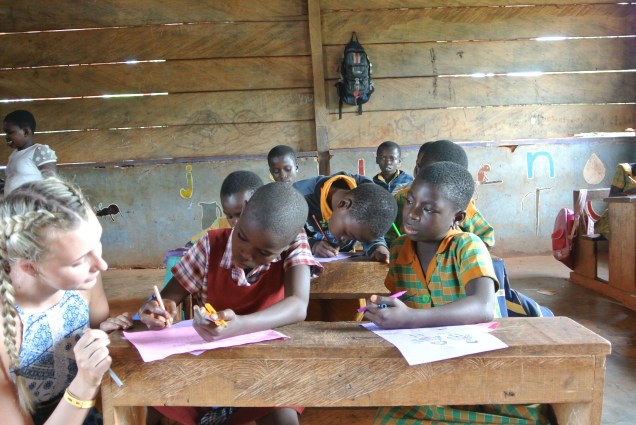

 

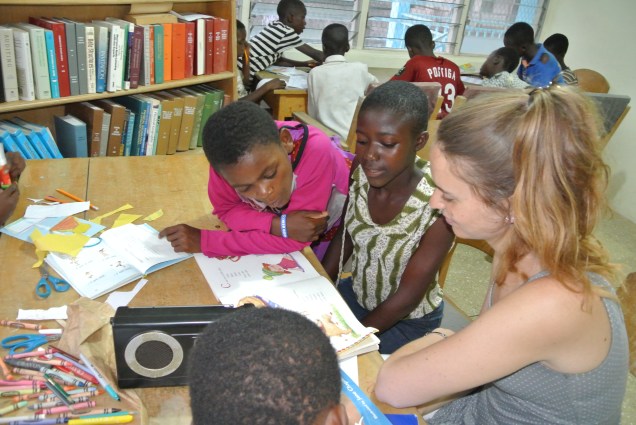
It really was an incredible place. The people were so friendly and welcoming as well as having the best names in the world. I don’t tend to meet people called Blessing, Comfort, Princess or Leticia very often and I certainly don’t meet many children called Alan, Norbert, Theophilius or Richlove! Just the names put a smile on my face! I didn’t once, in four weeks, hear a child cry or a parent shout at a child; it just seemed to be a country where people were content, despite the extreme poverty that we witnessed. The main project that I was working on was building a new school, but we also ran a community library that would only open if volunteers came and opened it. Every day there were around 30 children outside, waiting for us to arrive, desperate to read, practice their English or do some colouring. In this tiny, remote town in the clouds above Ghana, there was such a strong desire to learn.

DSC_1167.JPG

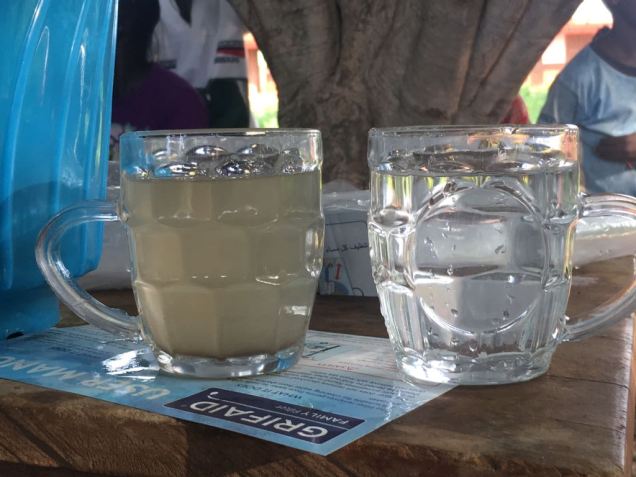
One day each week we would visit a hyper-remote village, the sorts of places that you see on comic-relief with a celebrity shedding a tear. But there were no celebrities here, just mud and straw huts, dirty water and smiling children. We would install and demonstrate water filters, carry out minor first aid and dispense food, clothes and hygiene products – basic human rights types of things!

water.JPG

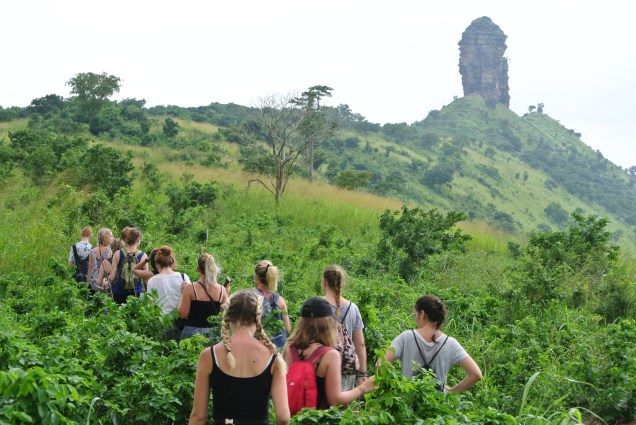
I was a fair bit older than most of the volunteers (who were largely on gap years or had just finished university) such that I effectively became the house Dad. The vast majority of these people though were remarkable in their commitment and resolve. Yes, one or two were clearly on a holiday or just wanting to have something interesting to say on their personal statement, but most were far more interesting and mature than I was at their age – and despite the Dad jokes, I felt welcomed into their community as much as the Ghanaians welcomed me into theirs.

DSC_1258.JPG

Now that I am back home, I am of course considering my future and especially my future employment. My Ghana experience has shown me how much I personally value helping others. I think I have always been quite a nice person, willing to help others, but I now feel that I want go out of my way to try and make other people’s lives a bit easier if I can and from a career perspective, I am certainly looking at organisations whose missions are to help others. As I left employment I told my former colleagues that I was going to go somewhere and do something incredible, even creating the Instagram hashtag #smugken to let me boast about it. There was a certain amount of hope in that desire to do something incredible, but my experience in Ghana has certainly affected me in a very positive way, enriching my life and giving me a strong sense of wellbeing. It might not last, but I hope it does, because I really do think I prefer the version of me that has come back from Ghana.

Kenny Webster

Drugs and pain

Help

Drugs remain the predominant approach for chronic pain….

…which is one main reason why the problem of pain is escalating. We can never truly overcome chronic pain by thinking that drugs are going to do it for us. We have been brought up in a society in which medication is embedded in our thinking ~ we expect it, healthcare delivers it.

However the reality is very different, which is why the continued use of the biomedical model for chronic pain consistently lets people down. This is now an old fashioned approach that does not work.


Recent headlines

‘Unnecessary’ painkillers could leave thousands addicted, doctors warn’ in The Guardian, May 2017 ~ read here

‘Accidental addiction to painkillers ‘a public health crisis’, says charity’ on Sky News today ~ read here

Mr Shapiro said: “If you look back to say 2009 when the all-party parliamentary group on drugs produced a report on this very issue, including not just painkillers but tranquilisers and anti-depressants and the Government then took a very complacent view of the whole situation… that attitude hasn’t really changed.”

WHY? 

Why is there such little interest from the government, from policy makers, from research funders etc etc? I am sure that when some of these people experience their own chronic pain, they will regret that lack of interest. In the meantime we need social progress for this enormous social problem ~ understand pain a purpose-led enterprise driving social change


You may think that my opening statements suggest that I am anti-drugs. No, I am not. There is a place for medication in the treatment of pain but there must be parameters. For example:

  • What is the best drug for this person and how their pain problem emerges
    • e.g. based on latest evidence ~ ‘Existing evidence on the use of gabapentinoids in CLBP is limited and demonstrates significant risk of adverse effects without any demonstrated benefit’ August 2017 ~ read here
  • Does the person understand the drug: why am I using this one? What does it do?
  • How long will the person be on the drug?
  • When will it be reviewed?
  • How will the use of this drug fit into an overall treatment programme?

The fact that the old model continues to be used means that other serious problems have emerged, adding further suffering and cost: addiction. To use the Buddhist definition of the word ignorance is relevant. To be ignorant is to fail to see the reality. That is most definitely what has happened and this must change now.

Drugs do not teach us how to overcome pain. They merely mask the underlying issues for a short time before they bubble up again. Whilst this can be convenient and briefly satisfy the search for a ‘quick fix’, each time the pain re-emerges and each time the next dose is taken there is a learning.

We learn to gain a dependence on the relationship between taking something and the pleasure of relief ~ this is not addiction, which is another result from over-using drugs or an inappropriate use of medication. The short-termism is perhaps the way we are designed to work, seeking pleasure and avoiding pain as quickly as possibly. This us understandable, yet it still remains the wrong route to truly overcome pain.

Overcoming pain

So if drugs don’t do it, what does? There are simple steps yet it is challenging and hard work. However, hard work and focus are fundamental when we are seeking results and achievement.

“Success comes from knowing that you did your best to become the best that you are capable of becoming” ~ John Wooden

Firstly we must get our thinking straight. Understand pain: like any problem we must understand it to seek the solution.

Then we must take action, repeatedly, in the desired direction. Actions include our thoughts and how they make us feel and direct what we actually do. We must not make the error of thinking that the mind and our thoughts are somehow separate from the physical-ness of ourself. They are not. Our mind is embodied ~ where else can you experience your thinking but in your perceptions and actions? And where do you experience this from? Your body. Each moment is made of thoughts, perceptions and actions that define how we ‘live’ that moment.

Whilst this can sound a bit wordy and a bit philosophical, it creates a practical way onwards with a range of practices and skills that we can develop. What we practice we get better at and what we focus upon we get more of. What do you want?

“What do you want?”

Re-read the question if you need to. What do you want? What does that look like? How can you orientate yourself towards this vision in your thinking and actions each day, each moment? The answer to the first question is not, I do not want this pain. That is what you don’t want, this pain. It draws your attention, focus and resources to pain, pain, pain. Again, think about what you want. Let the image arise in your mind’s eye. Then make it brighter, more colourful and bigger. How do you feel?

To overcome pain we must learn to coach ourselves. We ask ourselves the right questions to start the day off well, committing to be the ‘best me’. Then we practice the skills we have learned that are all in line with your vision ~ movements, exercises, sensorimotor training, mindfulness, communication (with self and others), attention, gratitude, resilience, re-engaging with desired activities, people and situations to name but a few.

The content of each programme is sculpted according to the individual, who always does his or her best, learning all the way. Learning about the causes of on-going pain and how to transform their state over and over so that there is sustained change as the person reaches their potential. This is the essence of Pain Coach ~ the person getting results.

We are seeking social progress. The vehicle to drive this progress is UP or understand pain. UP is a purpose-led enterprise delivering the pinnacle of our knowledge of pain to those in need via workshops (recent CRPS Workshop success) and other means: including the pain sufferers, their families and friends, the policy makers, patient groups, charities and organisations.

Now is the time. Now we must move onwards and embrace the knowledge that we have gained and the new knowledge that will continue to emerge from research and experience. With this we can carve forward to reduce the enormous suffering and costs for a better society that thrives. Drugs are not the answer. The answers are within us.

“Be the change you want to see in the world” ~ Mahatma Gandhi

I would add, be the change you want to see in you. Because you can.

Please contact us if you would like to link, partner and arrange a workshop:

Go back

Your message has been sent

Warning
Warning
Warning

Warning.

Workshop for CRPS a great success

Understand Pain & Pain Coach Workshop ~ Bath, 2017

“Thank you very much for today. It was a real privilege to attend”

I was delighted that we filled all the places and had to add several more for the CRPS workshop on Monday. It was an excellent afternoon with a really engaged group, keen to understand and know what they can do to move onward. That is the premise for Understand Pain and Pain Coach Workshops, where we deepen our knowledge of pain so that we can focus on what we CAN to be successful and get results.

This was the first UP & CRPS UK workshop at Royds Withy King in Bath, and based on the demand and feedback, we will be rolling out future dates across the UK. We will also be extending the workshops to a day so that we can have even more experiences of success together. The day is all about taking action and having the experience of what that is like, driving and motivating change in your desired direction.

The popular practices we looked at included the mindful practices that can be used in different ways to create calm, insight and focus, the ‘check in’, and journalising. We followed the way that I do in sessions with people 1:1, starting with the vision, strengths and values. This attunes the person to where they are going and the characteristics they possess to use to get there.  Over the afternoon we covered the key areas:

  • Understand Pain
    • What is pain?
    • The size of the problem of pain
    • CRPS criteria
  • Pain Coach
    • The practices that constitute a lived programme that interweaves into the person’s life, whilst they live their life as a means to overcoming pain — becoming a self coach and a self leader

The three main features of the workshops are simple and digestible:

  1. The model of success ~ how we can be successful
  2. Strengths based coaching ~ how to get the best of you
  3. The pinnacle of our knowledge of pain ~ understand pain to change pain

There is no reason why we can’t address pain, learn, transform, and have fun at the same time!

Here are some more comments:

What did people most enjoy?

  • “being in a space to acknowledge pain, guilt free”
  • “Richmond especially, extremely brilliant way with him”
  • “lovely delivery style”
  • “the way the workshop was presented”
  • “very enjoyable”
  • “good explanations. Simple to understand”
  • “very informative”
  • “I did not expect to be challenged as much as I am now following the workshop — positively”
  • “interactive nature of the event”

Come and join us next time!

Future events driving social change

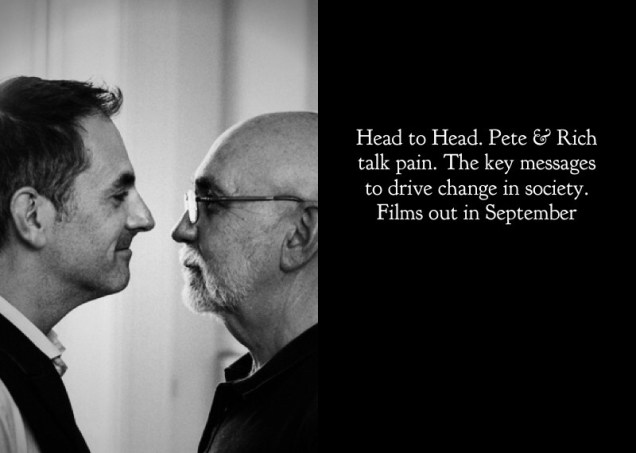
For release in September ~ In conversation: Rich and Pete talk pain. A series of short videos focusing on the key areas of pain. See Pain Coach and Physiotherapist Richmond Stace + Pain Toolkit’s Pete Moore in relaxed conversation. My aim is to create a community so that we can drive social change via new thinking based on new understanding of pain and the action we must take as a society. This is just the beginning. Join us!

FullSizeRender.jpg

Understand Pain & Pain Coach Talk ~ Weds 4th October 2017 at The Royal Society of Medicine ~ click here to book

Understand Pain & Pain Coach Workshop for Clinicians and Therapists ~ Thursday 5th October 2017 in New Malden, Surrey ~ click here to book

UP & Pain Coach Workshop in the community

Understand pain tackling the global chronic pain crisis

Delivering knowledge, skills and know how to people in need

On Monday 31st July I will be working with CRPS UK to deliver a workshop for people suffering complex regional pain syndrome (CRPS). This is the fundamental work of UP, to provide not only education but how to use the new knowledge effectively to get results.

CRPS UK charity for complex regional pain syndrome

Our focus is on change and moving onward by engaging in positive work. This is our work at UP as we seek to inspire, empower and enable individuals and society at large to live well and with meaning.

Human beings are incredible. We have such great potential. Our ability to learn, adapt, and transform ourselves means that we can decide to commit to the skills of well-being and reap the rewards. We are designed to change. We just need to decide upon the direction. What is your picture of success? What do you want your life to be like? These are the questions we pose in using a strengths based coaching approach to overcoming pain.

Pain Coach and Understand Pain Workshop

The workshop this month in Bath will be proactive, interactive and full of practices for the participants to take away and use with immediate effect.

To attend the FREE workshop, click here

What is Understand Pain all about?

The purpose of UP is to provide knowledge, skills and know-how to people who need to understand pain. With pain being the number one global health burden, this is a huge number of individuals in many different circumstances. We are not limiting ourselves at UP as we seek to grow quickly in order to reach across society and the globe to tackle this crisis. Our vision is a world where pain is understood and hence addressed effectively by individuals, society and healthcare.

We believe in the potential of this vast group of people across the world. They represent an incredible resource if only pain were understood, allowing for meaningful, fulfilling and useful living. Imagine the resources that would be available! The picture we see is society moving onwards, evolving and growing with a great sense of community.

UP delivers a range of workshops. To:

  • People suffering chronic and complex pain and their carers
  • Clinicians, therapists and allied heath professionals
  • Others who must understand pain as part of their professional role; e.g. medico-legal lawyers, policy makers, commissioners.
How does it work?

UP has different channels of provision. For each paid workshop we provide a workshop to a community or patient group. This means that those who are paying for their place or companies/organisations purchasing a workshop, are not only growing themselves but also society. This together with free places for the next generation of clinicians and therapists at each Pain Coach Workshop means we are building the knowledge and skills base together as a community.

Keep up to date by signing up to the Pain Physio Blog, the UP blog or sending me your email address to join the newsletter. The purpose of the blogs and newsletters is to advance our thinking as a society. As you will see if you sign up, overcoming pain is not by only focusing on treatment for pain, but by developing the skills of living and wellbeing. And the exciting thing about that, is that this is all about living well and performing our best. Do you want to be the best you? I know the answer to that! So join us and let’s understand pain and live life.

RS

A community gathers ~ Walthamstow Garden Party

IMG_4863.JPG

The potency of community spirit

Yesterday I spent the day at the Walthamstow Garden Party wearing my UP hat. It was a great opportunity to reach out into society and have meaningful conversations with people about their pain and suffering. I think it is fair to say that the misunderstanding of what pain really is remains a hugely impacting problem. This misunderstanding is a barrier to individual’s realising their potential. This is the focus point for UP.

Talking to many people over the day, the conversation with the founder of an organisation dedicated to improving the lives of young people stuck in my mind. Engaging with a local community project, Leaders Community, I felt that this is exactly where UP needs to deliver work that inspires and empowers people. Where could be more potent than in their very own environment?

The Health Zone where we were based had a range of excellent projects on show. This included Bart’s Sexual Health Team, Positive East (free HIV tests), and Waltham Forest CCG (project on how teens and young adults want to be engaged by healthcare). We were very pleased to meet the Mayor, Cllr Yemi Osho, and Council Leader Clare Coghill at the tent.

UP in the community tackling chronic pain
Meeting the Mayor and Cllr Coghill

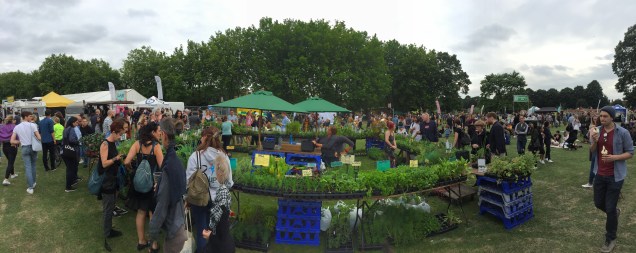
The Party was full of enterprise. From food stalls, to crafts, to dance, to poetry and music, the beautiful park was brimming with the joyous atmosphere of bringing people together. The day was truly inspiring. Seeing businesses flourishing and being supported by each other, the environment and the people they serve was tremendous. UP felt very much at home within this spirit of cohesion, when society is working at its very best. Pain is a social problem and a public health issue. It will be society’s cohesion and togetherness that will see the vital change we need to ease the current unnecessary levels of suffering.

IMG_4859.JPG
Delicious herbs

Onwards ~ UP in the community

Where better to engage people than in their own community. The Understand Pain and Pain Coach Workshops for people suffering chronic pain can be delivered right there, where they are most needed. UP aims to partner with primary care trusts, CCGs, GP practices and others to deliver workshops to both clinicians and people (patients — I prefer ‘people’). Conversations yesterday can lead to actions to results, those being people leading meaningful lives, contributing to society as they can. Now I am working on converting the talk to purposeful action.

RS


Positive work at the Societal Impact of Pain Symposium 2017

fullsizerender-2

SIP 2017 drives change

The problems

The title of the interest group itself, ‘Societal Impact of Pain’ or SIP, drew me to the 2017 conference. I firmly believe pain to be a societal issue that has enormous consequences for individuals and the world in which we live. Whilst there are many meetings dedicated to pain, most focus on a scientific programme. This is only part of a much bigger picture that includes socioeconomic factors, culture, beliefs, gender, access to healthcare, understanding of pain and lifestyle, to name but a few. SIP, as far as addressing pain as it needs to be addressed is ‘on the money’. And speaking of money….

Chronic pain is a huge economic burden. The cost of pain to the EU each year is up to €441 bn — today that is £387 bn.

Wake up policy makers, yes that is £387 billion.

Back pain alone costs €12 bn per year in Europe although the most staggering figure is the €441 bn think about all the other conditions that hurt) and the source of immeasurable suffering for millions. It is estimated that 100 million people suffer in Europe.

“Pain causes a problem for individuals as well as a challenge for healthcare systems, economies and society (SIP 2017)

Clearly, what we are doing at the moment does not work. There are reasons for this, including the fact that pain is misunderstood in society: healthcare professionals and people (patients). This results in the wrong messages being purported, low expectations and poor outcomes. This must change and the SIP 2017 meeting was a perfect breeding ground for positive work in the right direction. There were some significant steps forward, emerging from the synergy of different groups gathered together.

What was my purpose?

Representing UP | understand pain, I was attending SIP 2017 to gain insight into the current thinking about pain from a societal perspective. In particular I was interested in the language being used, the messages being given about pain, and the plans for positive work to drive change. Listening to the talks, being at the meetings and talking to different stakeholders, I was inspired. My passion has been strengthened by what I heard. I know that UP is absolutely on track and my aim now is to contribute to the on-going work, primarily by changing the way society thinks about pain — see workshops here.

The message that I deliver, and that of UP, is that pain can and does change when it is understood thereby empowering, enabling and inspiring the individual to realise his or her potential. The individual is part of society and hence with so many people suffering, this means society is suffering. Drawing together the necessary people to create the conditions for change was the purpose of SIP 2017. From the outcomes (see below), this is what has been achieved.

See the SIP 2017 Impressions here: videos and photos

Who was there?

One of the features of the meeting was the range of people in attendance. For fruitful discussion and action it is essential that stakeholders from the different sectors get together. This is exactly what SIP 2017 created. In no particular order, there were clinicians, academics, scientists, policy makers, MEPs, patient groups and organisations, patient representatives and others who have an interest in the advancement of how society thinks about and addresses pain.

Valletta panorama, Malta

The right language

The focus was upon the person and their individual experiences of pain within the context of modern society. We all need to understand pain for different reasons, although we are all potential patients!

  • People suffering need to understand pain so that they can realise their potential for change and live a purposeful life
  • Clinicians need to understand pain so that they can deliver the treatments and coaching to people in need
  • Policy makers need to understand pain so that they can create platforms that enable best care

I was pleased to hear and see recommendations for coaching, although the term was not defined. Having used a coaching model for some years, I have seen this bring results, as it is always a means to getting the very best out of the individual ~ see The Pain Coach Programme.

Within the biomedical model, which does not work for persistent pain, the person is reliant upon the clinician providing treatment. We know that this approach is ineffective and in turn, ineffective treatments result in greater costs as the loop of suffering continues. Giving the person the skills, knowledge and know-how enables and inspires people to make the decision to commit to the practices that free them from this loop. People do not need to be dependent upon healthcare to get better. With a clear vision of success and a way to go about it, people can get results and live a meaningful life. This is the philosophy of UP and I was delighted to hear these messages at the meeting.

An issue raised by many was the measurement of pain. The way that pain improvements are captured and the desired outcomes differed between people (patients) and policy makers. The Numerical Rating Score (NRS) is often used, but what does this tell us about the lived experience of the person? Pain is not a score and a person is not a number. If I rate my pain 6/10 right now, that is a mere snapshot. It could be different 10 minutes later and was probably different 10 minutes before. The chosen number tells the clinician nothing about the suffering or the impact. It is when the impact lessens, when suffering eases does the person acknowledge change. No-one would naturally be telling themselves that they have a score for pain unless they have been told to keep a tally. We need to understand what is meaningful for the person, for example, going to work, playing with the kids, going to the shop.

SIP 2017 ~ chronic pain is a societal issue

Steps forward

SIP have issued this press release following the symposium:

‘MARTIN SEYCHELL, DEPUTY DIRECTOR GENERAL DG SANTE, FORMALLY ANNOUNCES LAUNCH OF PAIN EXPERT AND STAKEHOLDER GROUP ON THE EU HEALTH POLICY PLATFORM AT THE SOCIETAL IMPACT OF PAIN SYMPOSIUM’

Mr Seychell gave an excellent talk, absolutely nailing down the key issues and a way forward. This has been followed by with positive action. The SIP statement reads:

‘The European Commission is following SIP’s lead and has launched the EU Health Policy Platform to build a bridge between health systems and policy makers. Among other health policy areas, the societal impact of pain is included as well and will have a dedicated expert group.’

From the workshops the following recommendations emerged:

  1. Establish an EU platform on the societal impact of pain
  2. Develop instruments to assess the societal impact of pain
  3. Initiate policies addressing the impact of pain on employment
  4. Prioritise pain within education for health care professionals, patients and the general public
  5. Increase investment in research on the Societal Impact of Pain

A further success has been the classification of pain

Building momentum

Following this inspiring meeting where so much positive work was done, we now need to take action individually and collectively to get results. I see no reason why we cannot achieve the aims by continuing to drive the right messages about pain. This is a very exciting time from the perspective of EU policy but also in terms of our understanding of pain. The pinnacle of that knowledge must filter down through society, which is the purpose of UP.

To do this we (UP) are very open to creating partnerships with stakeholders who share our desire for change. UP provides the knowledge and the know-how that is needed for results, because without understanding pain, there can be no success. Conversely, understanding pain means that we can create a vision of a healthier society that we enable with simple practices available for all. Society can work together to ease the enormous suffering that currently exists. We all have a stake in that and a responsibility to drive change in that direction.

~ A huge thanks to the organisers and Norbert van Rooij


Please do get in touch if you would like to organise a meeting or a workshop: +447518445493 or email painphysiolondon@gmail.com


Who should you see for chronic pain?

You have a choice but which is the right one?

The short answer to this question is a clinician who truly understands pain. Such a clinician will work together with the person in a way that is solution focused and inspires change in a desired direction.

Many people will go to their doctor, so they immediately enter the medical model. Informed doctors will help the person understand their pain from the outset and initiate self-coaching practices. Others prescribe pain killers or anti-inflammatories, they may refer for investigations and could provide a tissue based explanation, thereby entrenching the biomedical thinking from the outset. Most of us have been brought up with this model so it is implicit. Our deepest beliefs about pain and injury tap into this because it is what we ‘know’ despite the fact it is actually wrong. Pain and injury are neither the same nor are they synonymous.

“Pain and injury are not the same and they are poorly related

Of course the same can be said for other clinicians and therapists who base their thinking on the biomedical model. Even those who claim to be ‘biopsychosocial’ will maintain a focus on the bio, perhaps with some psycho and rarely any socio. Pain as a public health issue necessitates that this be turned on its head. When a person is in pain, they don’t need to think about chemicals in their body or what their brain is doing. Instead they need a practice that they can use then and there to change their current course.

Is there an ideal clinician or therapist?

You may be surprised to know (or maybe not!) that pain education for healthcare professionals is minimal and falls short of the need. Those interested in pain may follow a further course of study such as the syllabus described by the International Association for the Study of Pain. Others may be examined upon the dimensions of pain, how they interrelate and their emergence in the person as a lived experience. Modern pain education requires input from the fields of neuroscience, cognitive science, studies of consciousness and philosophy as a bare minimum.

Briggs et al. (2015) looked at undergraduate pain education and concluded:

‘Documented pain teaching in many European medical schools falls far short of what might be expected given the prevalence and public health burden of pain’. 

understand pain to change pain

What do we need?

Society needs dedicated clinicians for pain who can incorporate all dimensions of pain and how they blend in the context of the person and his or her life. Each moment is made up of cognition, action and perception within a sociocultural background and on the end of a lifetime of prior experience and learning. The clinician must understand that pain is part of such a moment and be able to lever the opportunity and potential that each person holds. In understanding pain, they know that the person can be successful in changing their life.

In essence when a person seeks help with their pain, they want change. No longer are they satisfied to maintain their current existence. They have decided to change and want to know how. Existing disempowering beliefs have thus far been in the way of successful change — e.g./ pain = damage; fear of pain; fear of change; fear of failure. These beliefs can be far reaching and deep, having existed since childhood. Each person also has empowering beliefs that can be used with their individual strengths, building their potency with practices, much like building muscle. We change by design, but often need the know-how. This is where coaching is a powerful approach. The person with chronic pain needs coaching to reach their potential.

“let’s focus on what you want and what you CAN do

The Pain Coach Programme focuses on the individual achieving results and success. With the foundation of understanding pain in place, the person can learn and develop practices that foster health and well-being whilst other practices maintain the course towards a desired outcome: what do I want in life?

When we need help in life we turn to a trusted advisor who can give us what we need to change our circumstances. The challenge of pain is no different. Only the individual can decide to take action, and it is the action that leads to results. However, he or she needs a clear vision of what they want, new understanding, actions to take and the know-how or practical knowledge of how to apply new thinking and skills. This is why coaching is ideal because it provides just that.


For more information on workshops and Pain Coaching:

UP | understand pain workshops

Pain Coach Programme for complex and chronic pain

Pain Coach 1:1 Mentoring for Clinicians